
Gooseneck vs. Bumper Pull Trailers: Cost, Accessibility, Maneuverability
Choosing between gooseneck vs. bumper pull trailers is one of the most important decisions you will make when investing in hauling equipment. The wrong choice creates inefficiencies every day with tight jobsite turns, unstable loads, or limitations in what you can transport.
The right choice, on the other hand, supports your operation in the long term. It improves control, reduces wear, and keeps your equipment working instead of sitting.
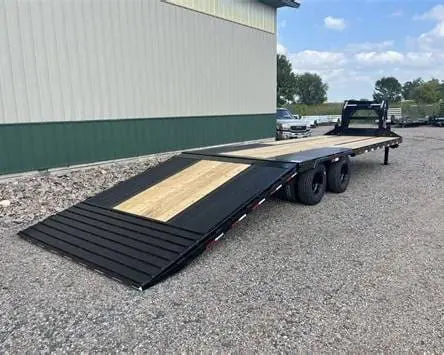
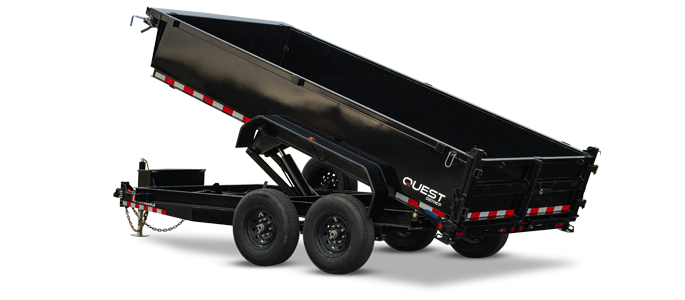
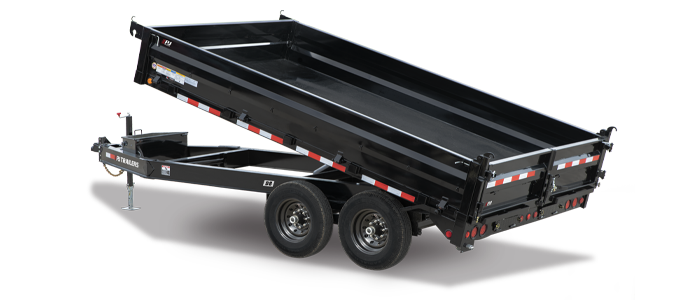
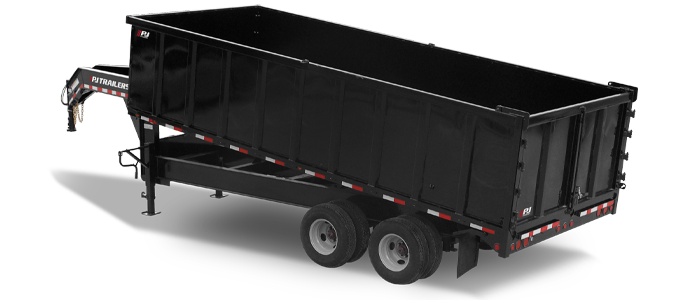
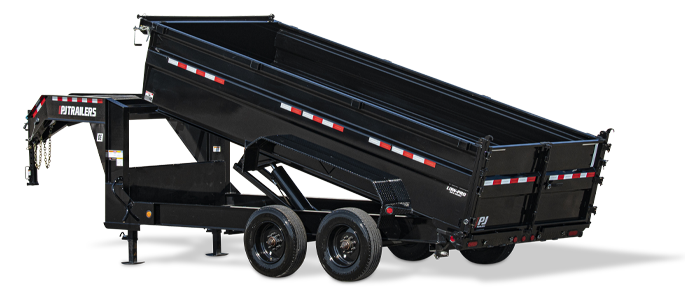
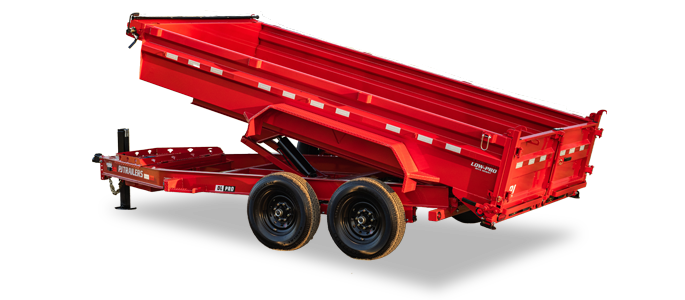
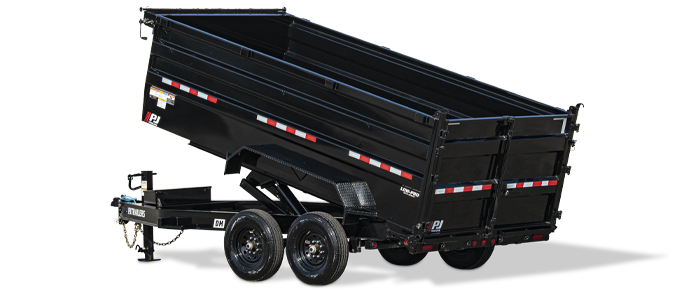
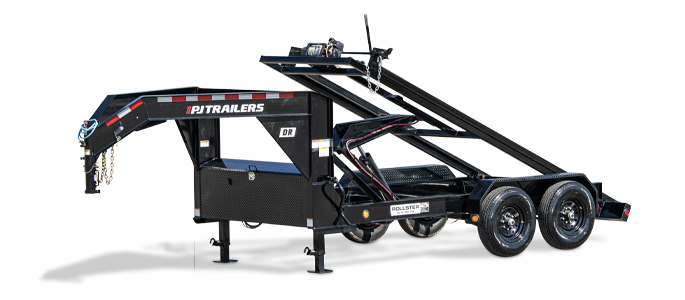
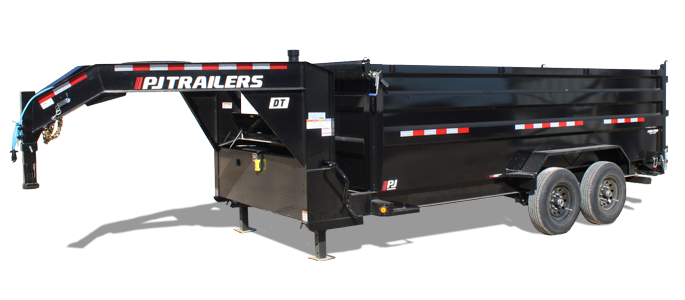
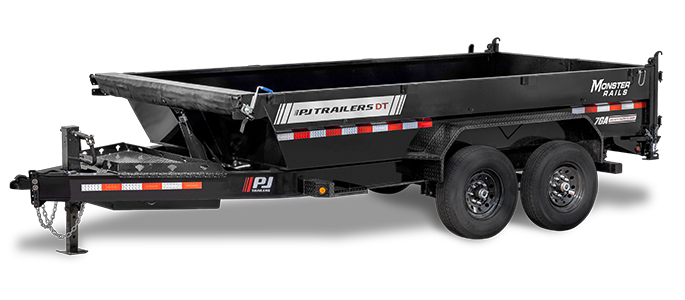
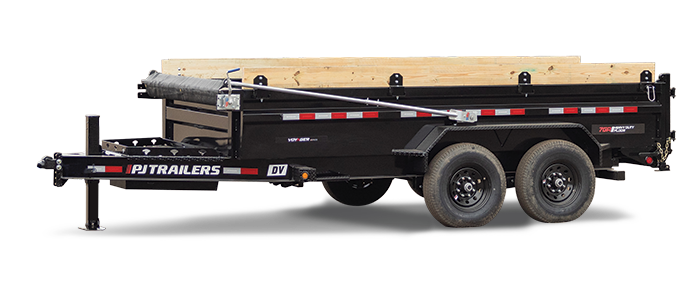
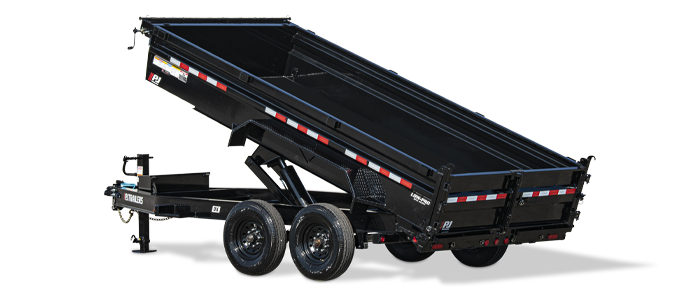
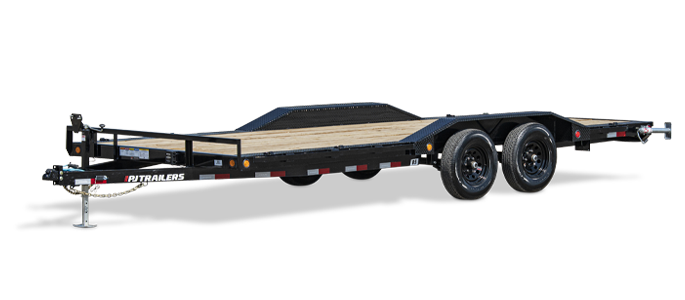
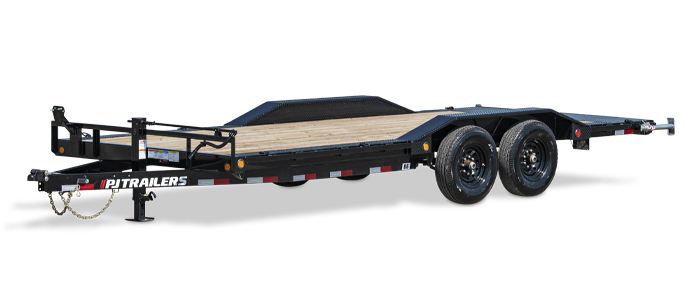
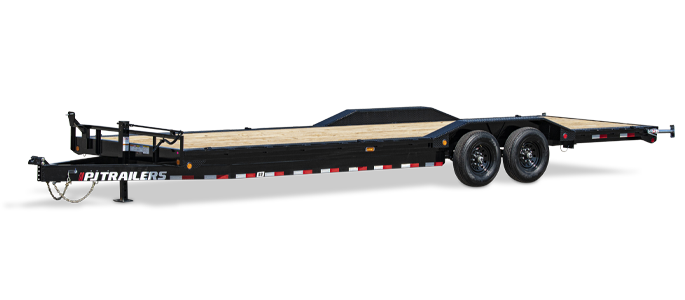
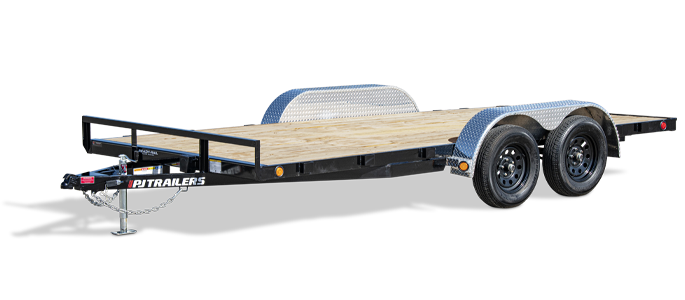
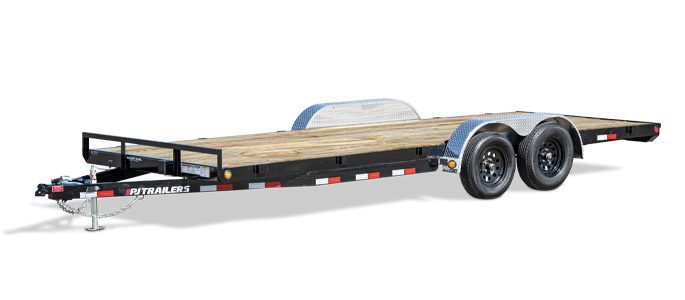
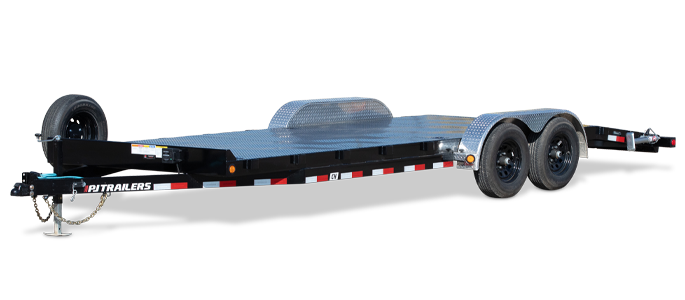
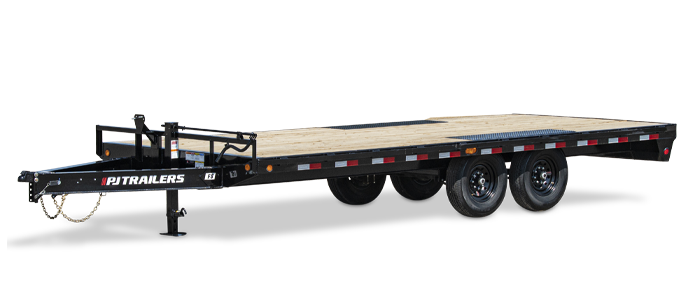
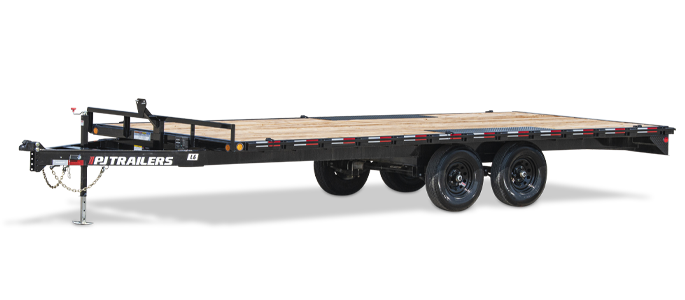
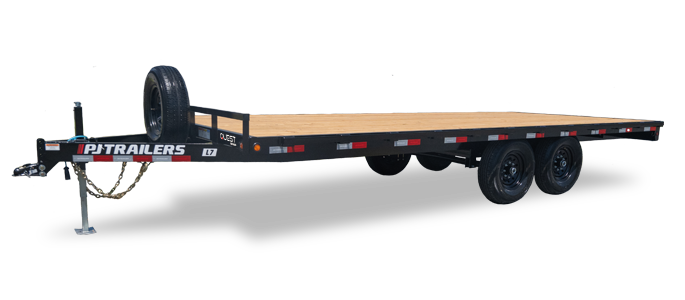
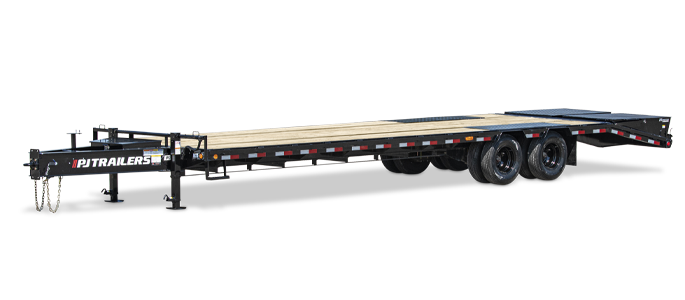
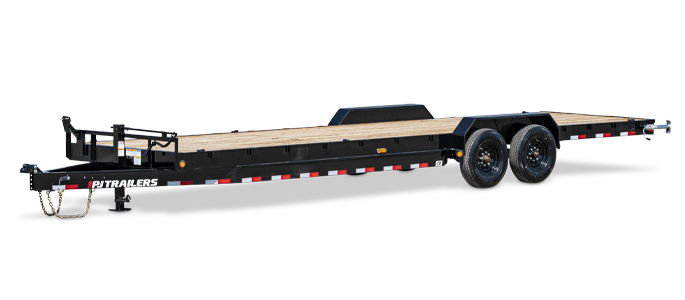
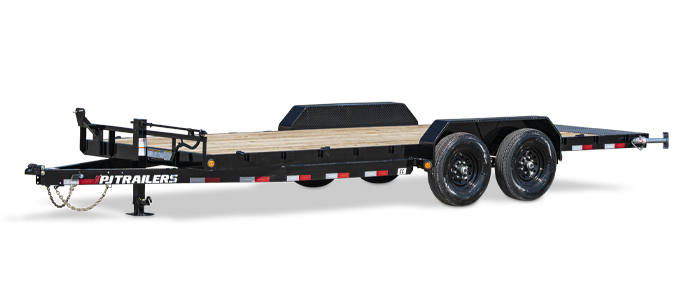
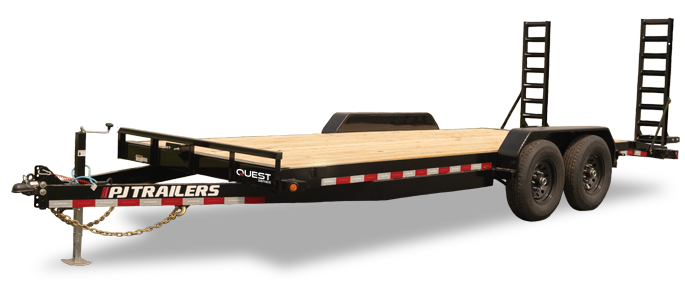
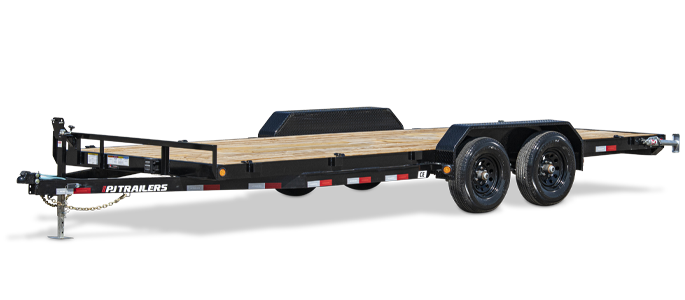
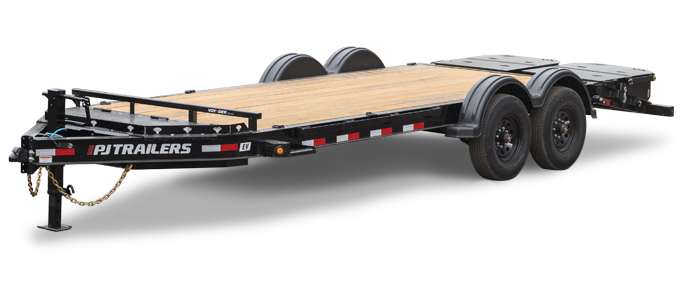
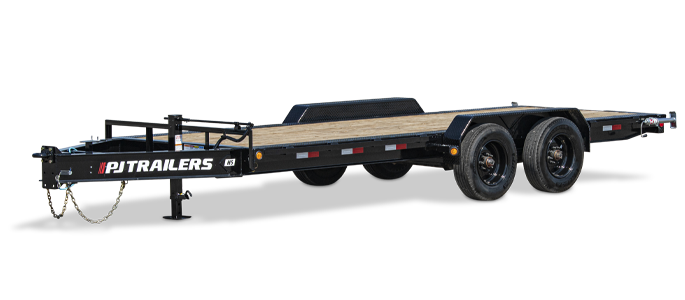
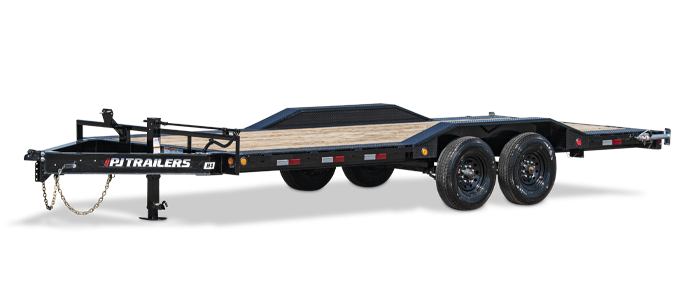
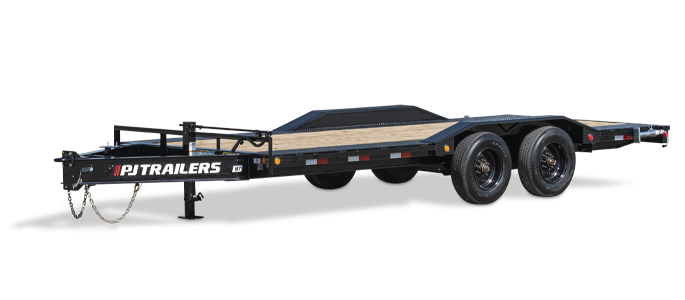
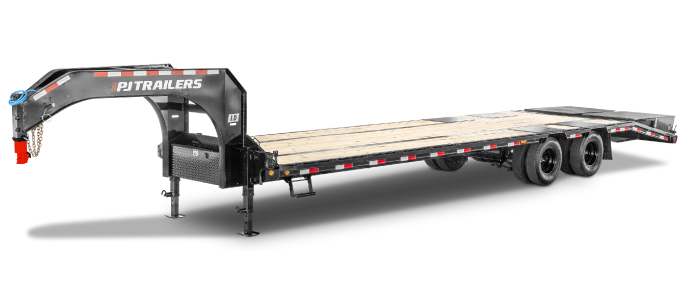
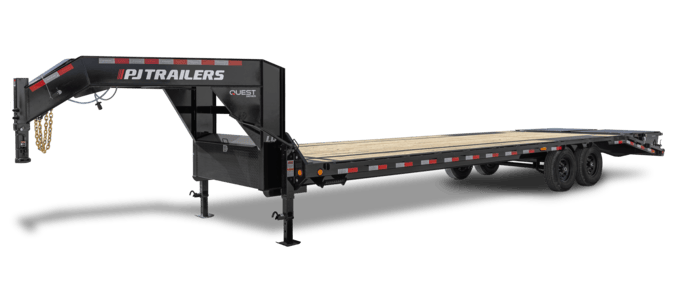
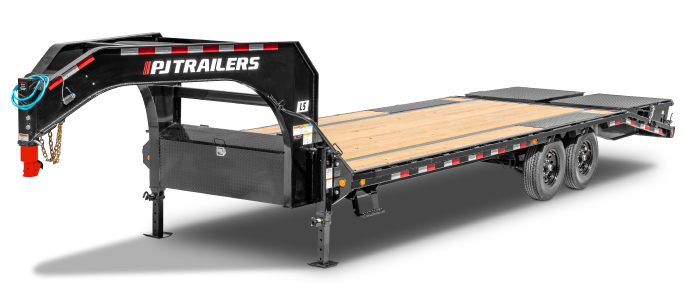
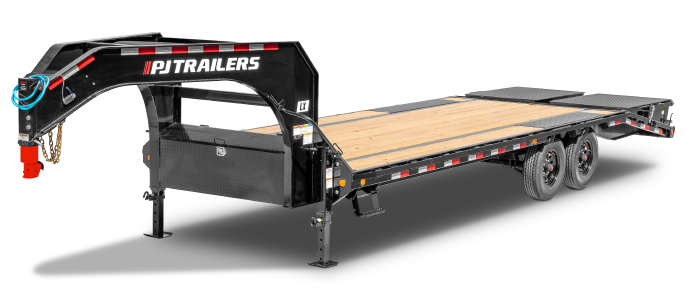
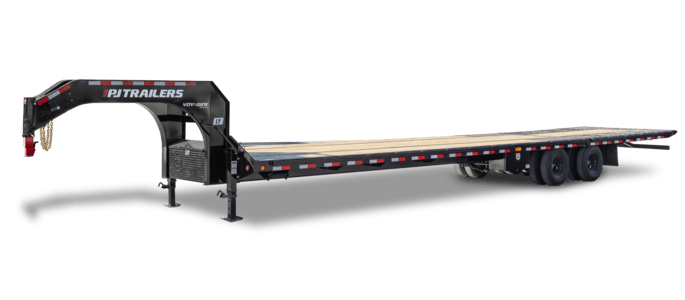
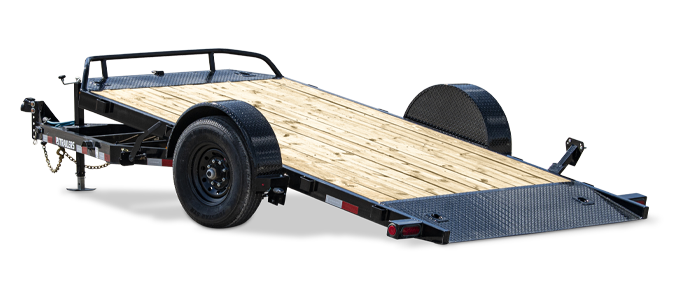
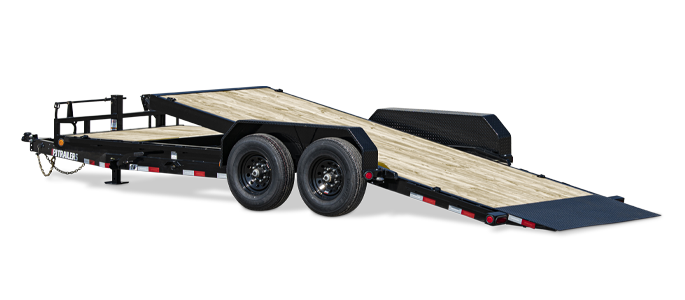
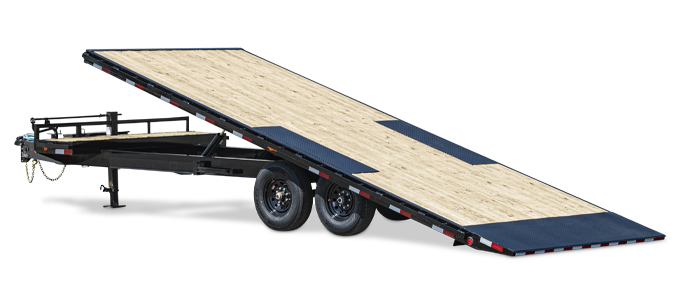
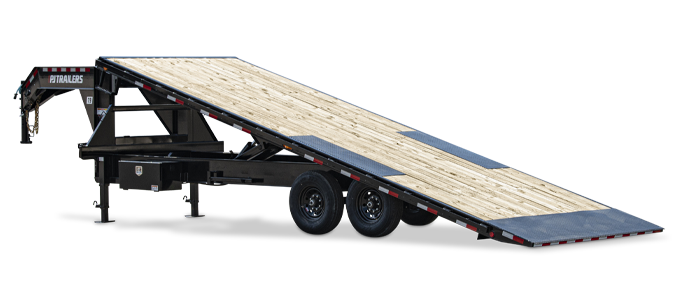
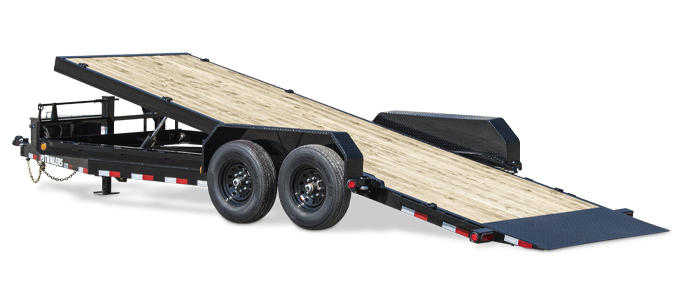
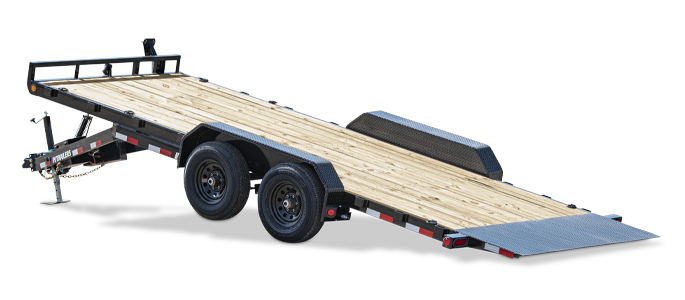
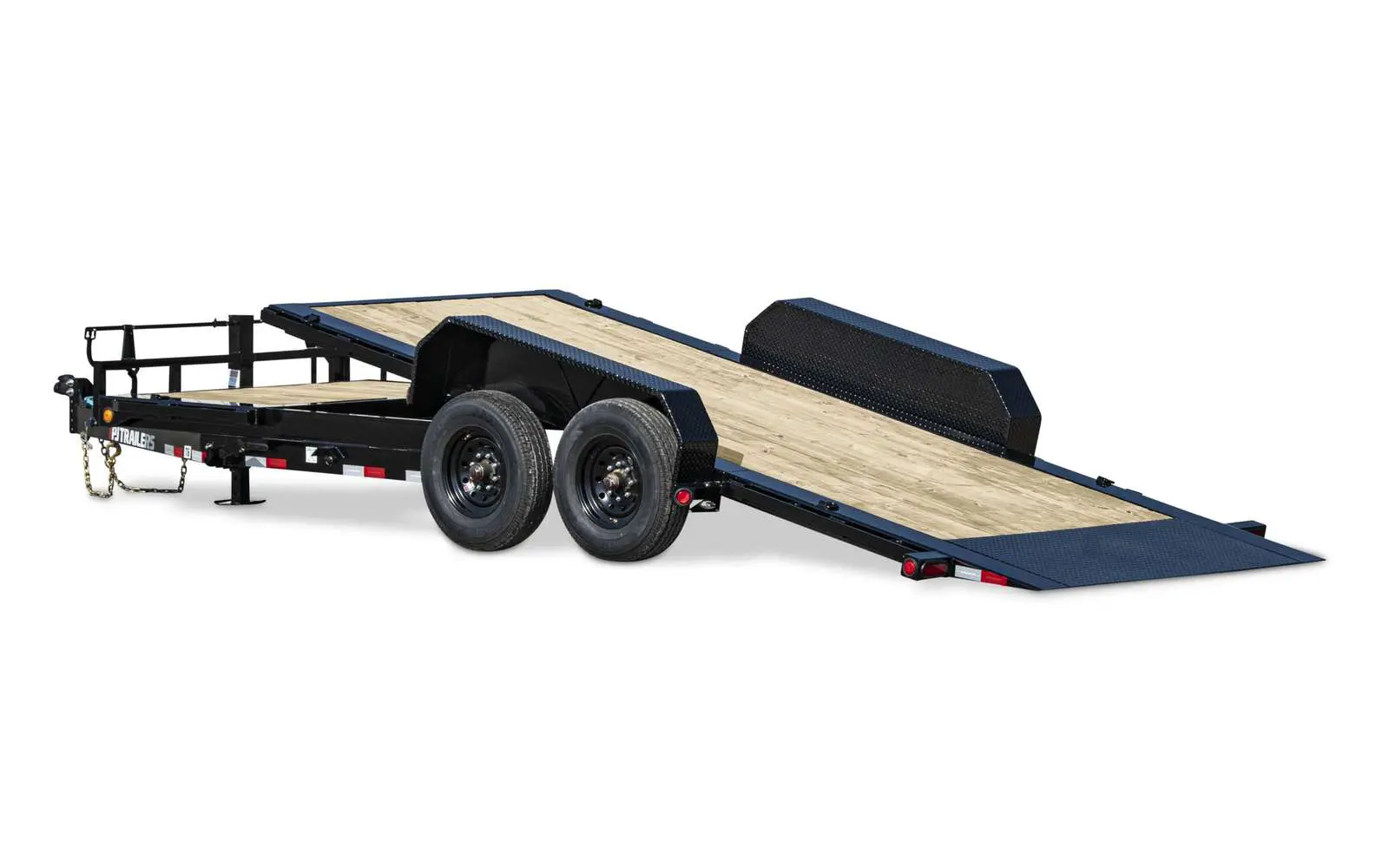
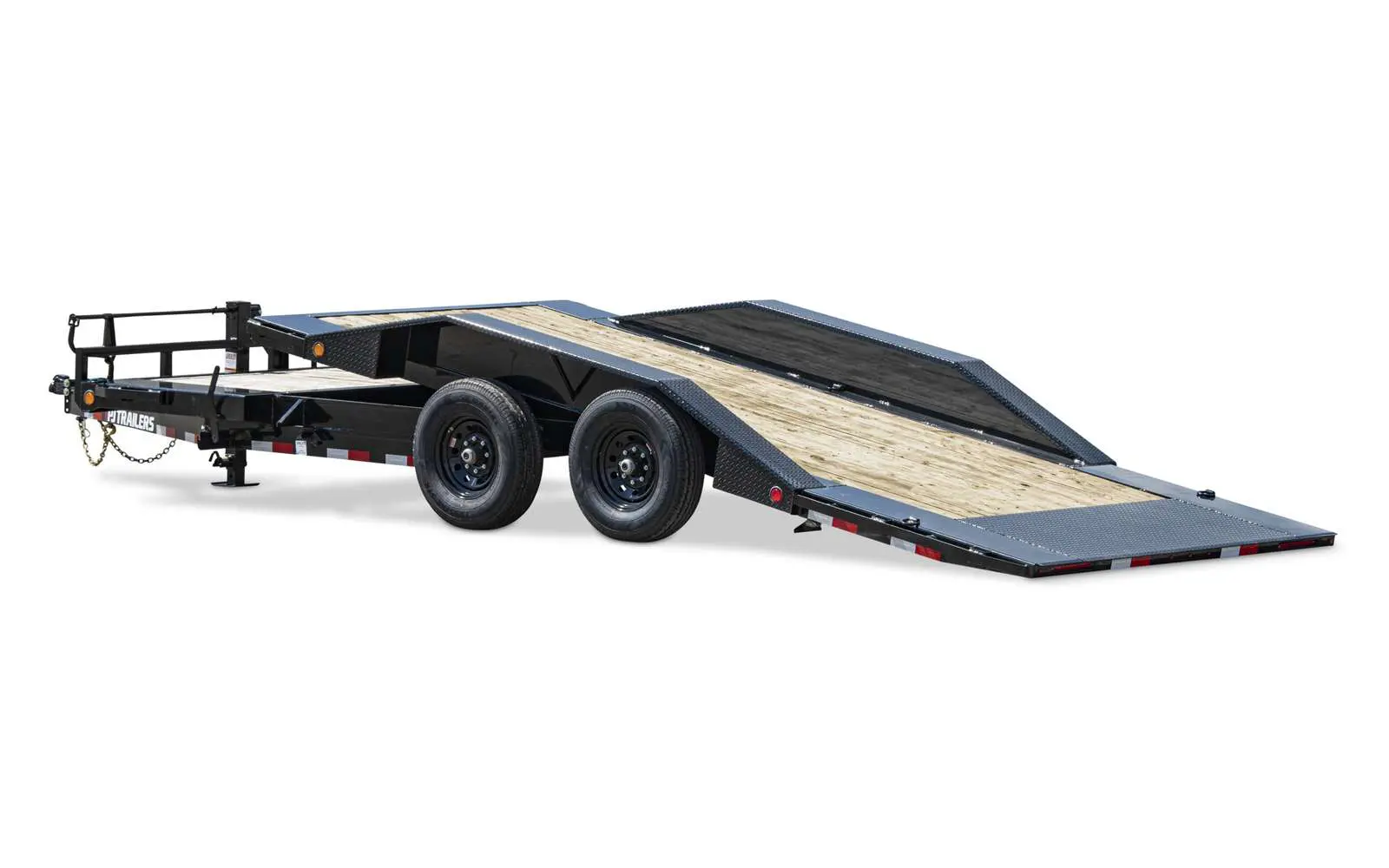
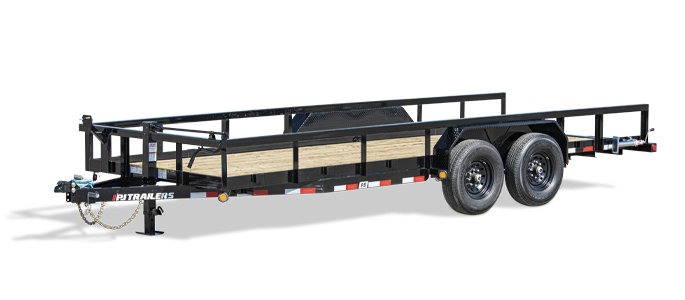
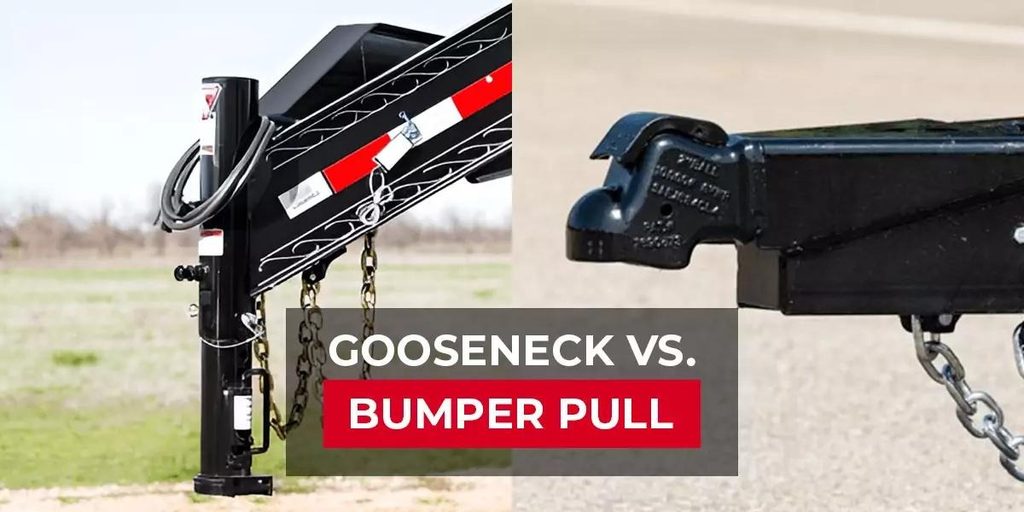
Before comparing the details, it helps to understand how each setup works. A gooseneck deckover trailer connects over the rear axle of your truck, shifting weight forward and improving stability. Bumper pull trailers attach at the rear hitch, making them more accessible but changing how the weight is distributed.
PJ Trailers builds both configurations for professionals who depend on consistent performance. The difference comes down to how you use them.
Understanding The Core Difference
The main distinction between gooseneck vs. bumper pull trailers is where the trailer connects to the tow vehicle.
- Gooseneck trailers connect in the truck bed.
- Bumper pull trailers connect at the rear hitch.
That single difference changes how each trailer handles under load.
Gooseneck setups distribute weight across the truck’s rear axle, increasing stability and allowing heavier loads. Bumper pull setups place weight behind the vehicle, which can reduce control under higher loads but offers more flexibility for general use.
Cost Considerations
Cost is often the first factor buyers evaluate, but it should not be the deciding one.
Gooseneck Trailers
- Higher upfront cost
- Require a truck with a bed-mounted hitch
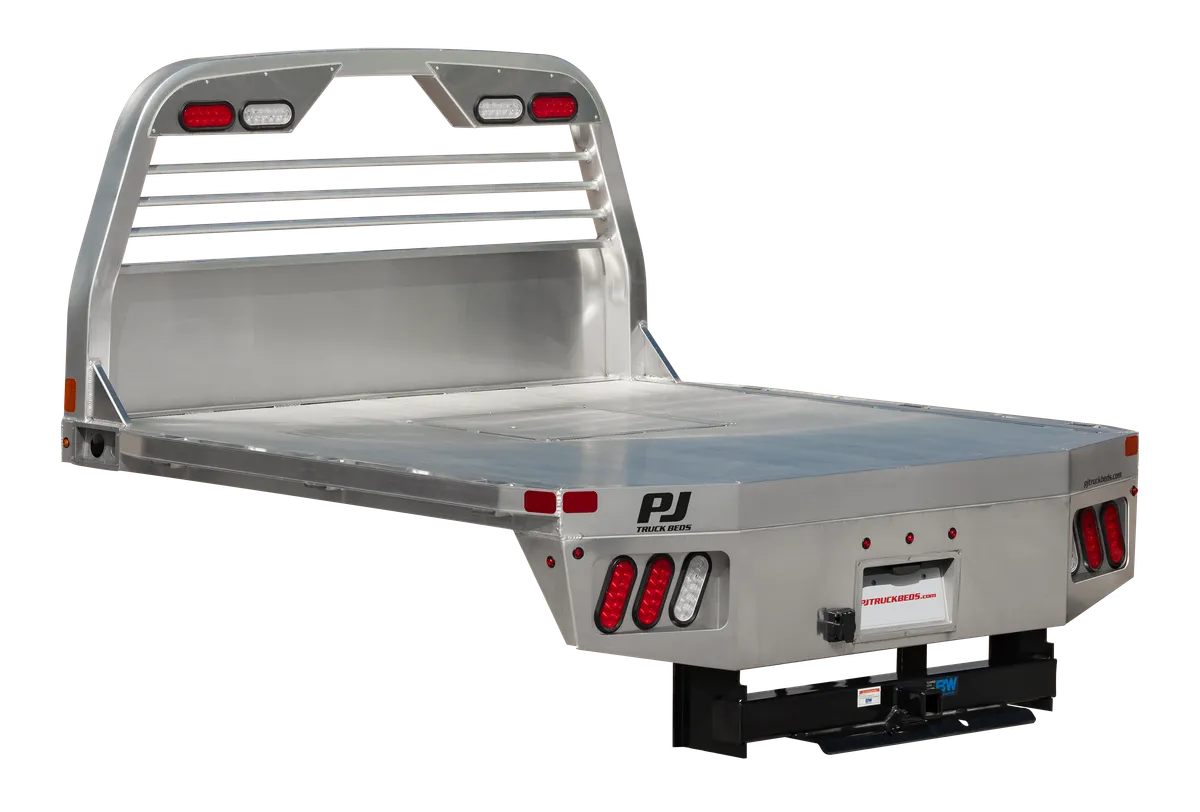
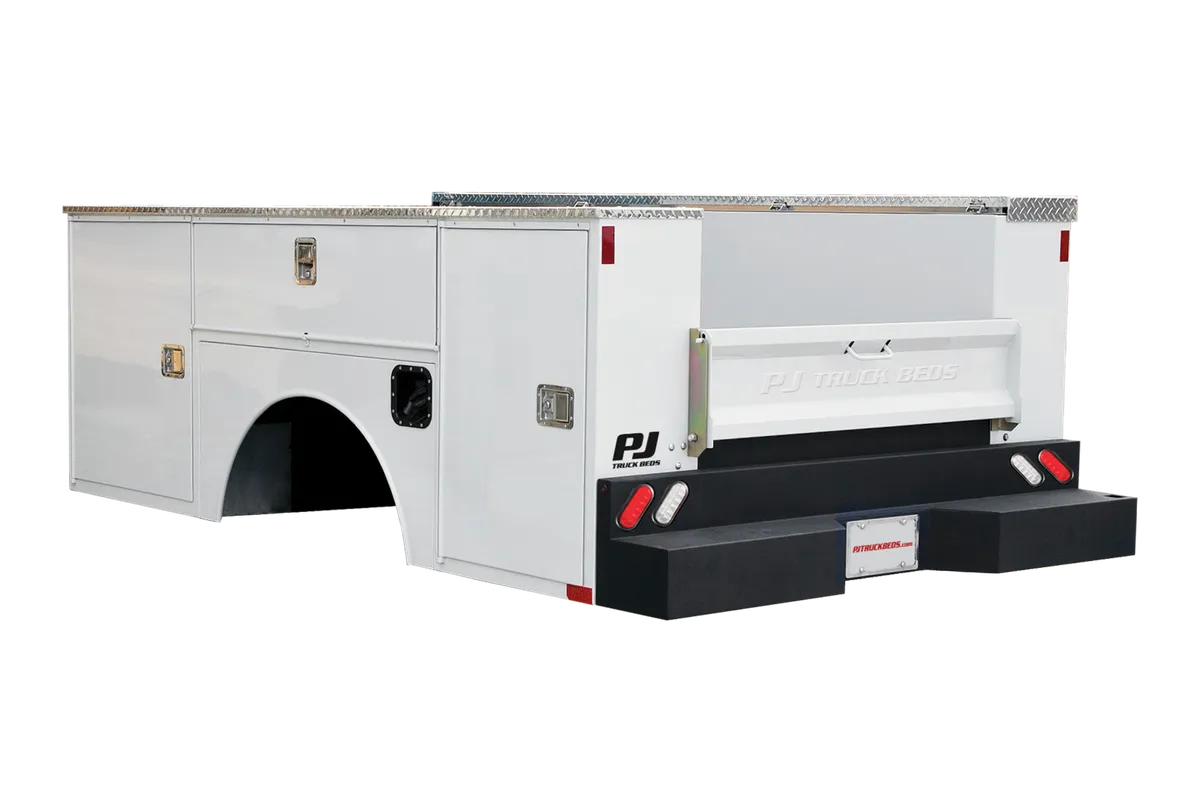
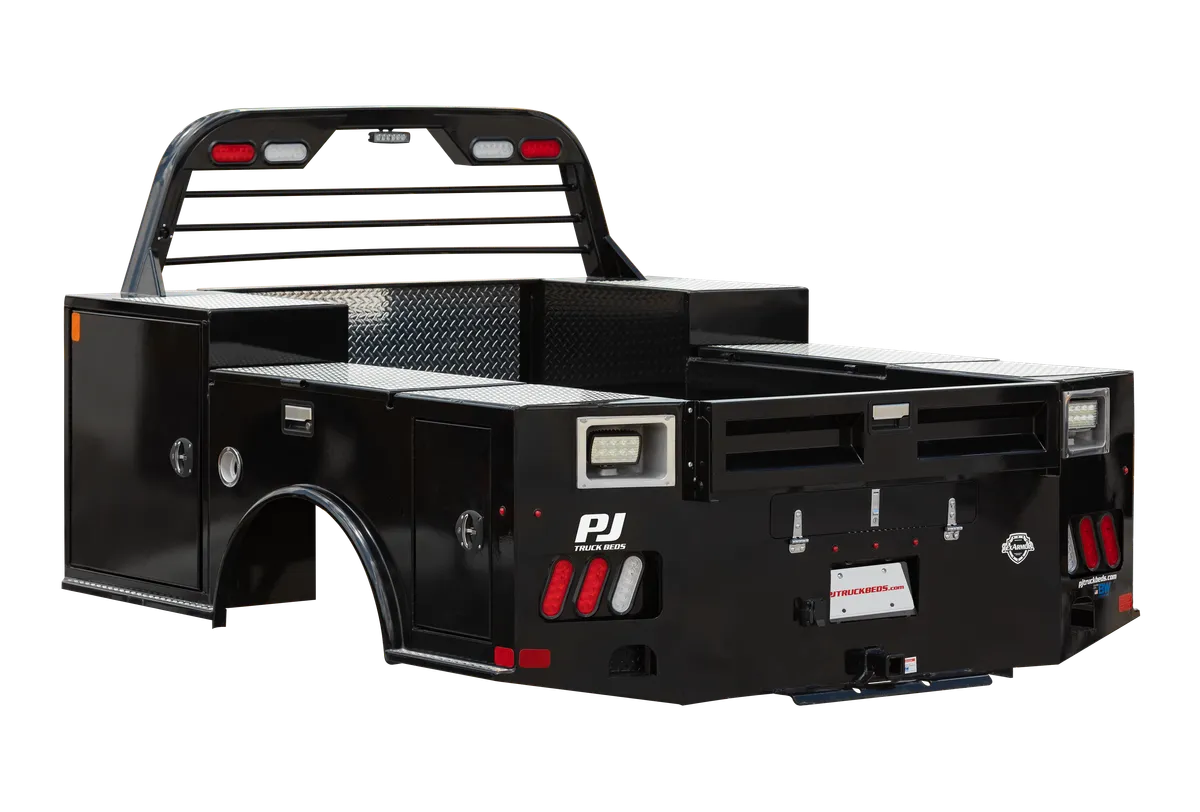
These trailers are often paired with dedicated setups, like a gooseneck service body, and built for operators who haul heavy equipment consistently and need stability over long distances.
Bumper Pull Trailers
- Lower initial cost
- Compatible with a wider range of vehicles
- Easier entry point for many buyers
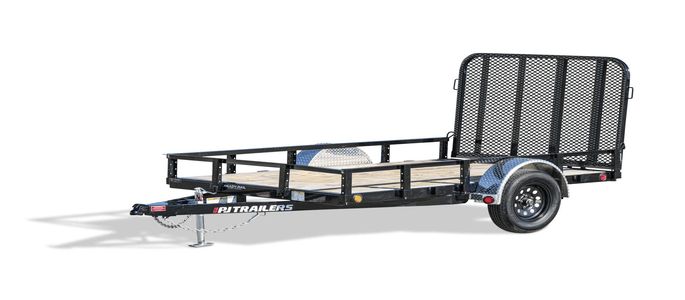
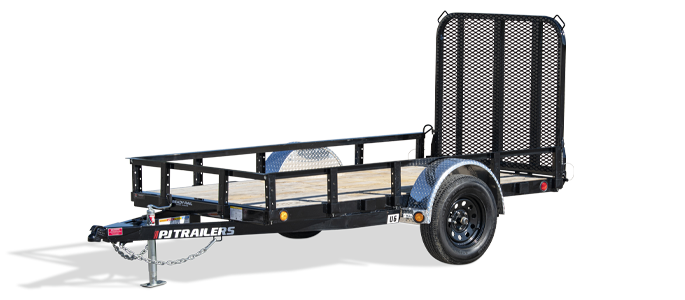
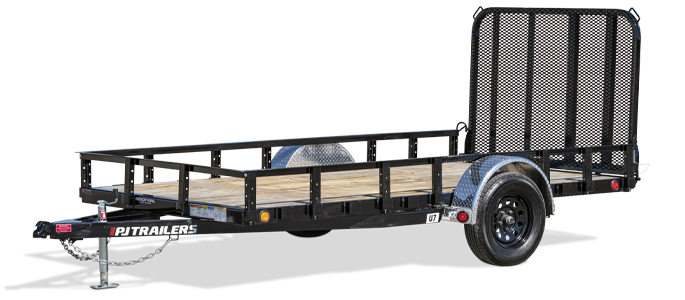
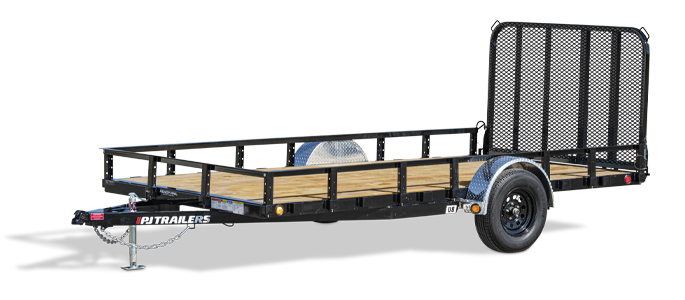
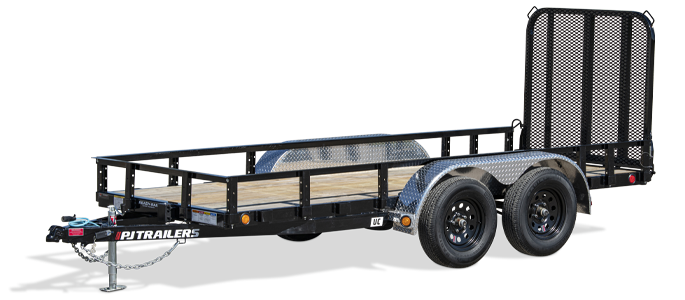
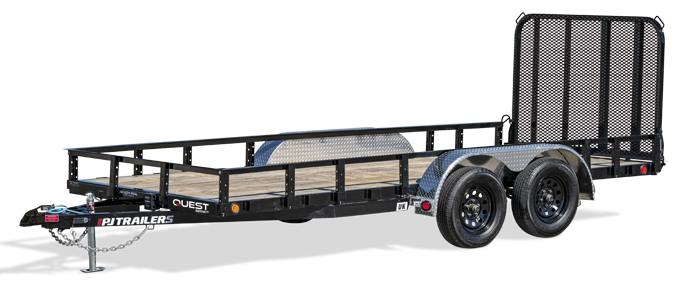
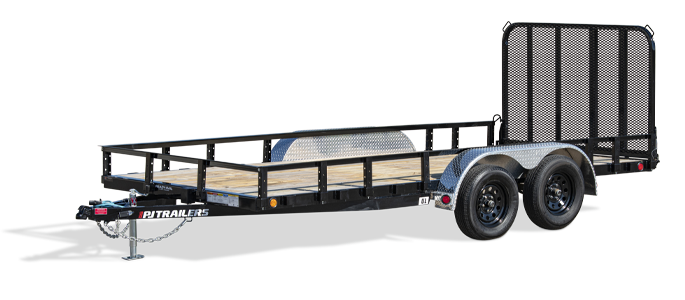
For lighter or mixed-use applications, bumper pull trailers can meet the need without requiring a specialized truck setup.
When evaluating gooseneck vs. bumper pull trailers, cost should be considered alongside how often you tow and what cargo you carry.
Accessibility And Setup
Accessibility plays a major role, especially for operators managing multiple vehicles or job sites.
Gooseneck
- Requires access to the truck bed
- Limits bed space for other materials
- May require dedicated trucks
Bumper Pull
- Connects to a standard hitch
- Easier to switch between vehicles
- Keeps truck bed fully usable
If your operation depends on flexibility, like multiple drivers, shared trucks, or mixed-use hauling, then bumper pull may be the more practical option.
Maneuverability On Jobsites
Maneuverability is where the differences become more noticeable.
Gooseneck Trailers
Gooseneck setups provide tighter turning angles and better control when backing. The pivot point over the axle allows the trailer to track more predictably, especially in confined areas.
For construction sites, equipment yards, and agricultural operations, this added control matters.
Bumper Pull Trailers
Bumper pull trailers are easier for less experienced operators to handle, but they offer less precision when backing and turning under load.
For general hauling and shorter routes, they perform well. For tight or technical environments, they can be limiting.
In the conversation about gooseneck vs. bumper pull trailers, maneuverability often becomes the deciding factor for professionals working in constrained spaces.
Load Capacity And Stability
Load capacity is not just about how much weight you can carry. It is about how that weight behaves in transit.
Gooseneck
- Higher weight capacity
- Improved load balance
- Reduced sway at highway speeds
These trailers are built for heavy equipment, long hauls, and consistent use.
Bumper Pull
- Moderate capacity depending on configuration
- More sensitive to load placement
- Increased sway at higher weights
For operators using bumper-pull equipment trailers, proper loading becomes critical to maintaining stability.
If your work involves heavy or uneven loads, gooseneck setups provide a clear advantage.
Maintenance And Long-Term Durability
Both trailer types require maintenance, but how they wear over time differs.
Gooseneck Trailers
- Distribute stress more evenly
- Reduce strain on the rear of the tow vehicle
- Typically experience less sway-related wear
Bumper Pull Trailers
- Place more stress on the hitch connection
- Can increase wear on suspension components if overloaded
- Require careful weight distribution to prevent long-term issues
PJ Trailers builds both configurations with durability in mind, but how the trailer is used will ultimately determine service life.
Choosing correctly from the start reduces long-term maintenance costs.
Real-World Use Cases
Understanding how these trailers are used in the field helps clarify the decision.
Gooseneck Best Fit
- Heavy equipment hauling
- Long-distance transport
- Daily commercial use
- Agricultural operations
Bumper Pull Best Fit
- Landscaping and light construction
- General material hauling
- Mixed-use operations
- Shorter haul routes
If your work changes frequently, bumper pull trailers offer flexibility. If your workload is consistent and heavy, gooseneck trailers provide the stability needed.
Common Buying Mistakes
Buyers comparing gooseneck vs. bumper pull trailers often make avoidable mistakes, including:
- Choosing based on price instead of workload
- Underestimating future capacity needs
- Ignoring vehicle compatibility
- Overlooking maneuverability requirements
Each of these leads to operational limitations that show up immediately on the job.
Frequently Asked Questions
FAQ
Which Is Better For Heavy Loads?
Gooseneck trailers are better suited for heavy loads due to improved weight distribution and stability.
Are Bumper Pull Trailers Easier To Use?
Yes. They are more accessible and require less specialized equipment, making them easier for general use.
Do Gooseneck Trailers Require A Special Truck?
They require a bed-mounted hitch, and many operators use dedicated setups for consistent hauling.
Which Option Is More Cost-Effective?
Bumper pull trailers have a lower upfront cost, but gooseneck trailers often provide better long-term value for heavy-use operations.
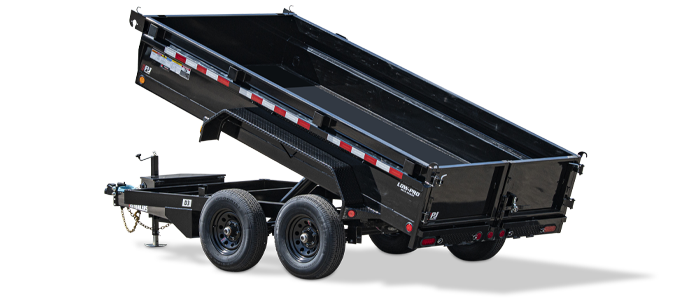
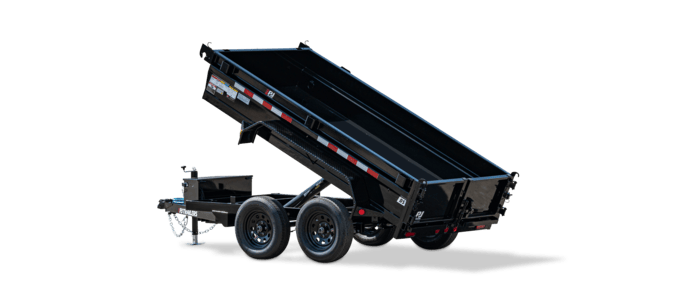
Where Can I Find A Bumper Dump Trailer Near Me?
You can locate a dealer through PJ Trailers’ network by looking for bumper dump trailer near me.
Built For The Work You Do
The decision between gooseneck vs. bumper pull trailers comes down to how you work.
If your operation depends on hauling heavy equipment with maximum control, gooseneck trailers are built for that demand. If flexibility and accessibility matter more, bumper-pull trailers offer a practical solution.
PJ Trailers builds both with the same focus: durability, performance, and long-term reliability. The right choice is the one that keeps your equipment moving and your operation efficient.