
Tilt Trailer vs. Ramp Trailer: Which is Better for Equipment Hauling
For a contractor loading equipment every morning, the difference between a tilt trailer and a traditional ramp trailer becomes obvious pretty quickly. Both can move skid steers, compact tractors, mini excavators, and other machinery. What changes is how you get that equipment onto the deck, and how much time, clearance, and effort the process requires.
That is why the tilt trailer vs. ramp trailer decision should start with the equipment you haul and the places you load it. PJ Trailers offers purpose-built tilt trailers for operators who want a lower-effort loading process, but ramps still make sense for plenty of professional applications. Approach angle, ground clearance, loading frequency, maintenance, and cost all deserve consideration before you make your choice.
How Tilt and Ramp Trailers Load Differently
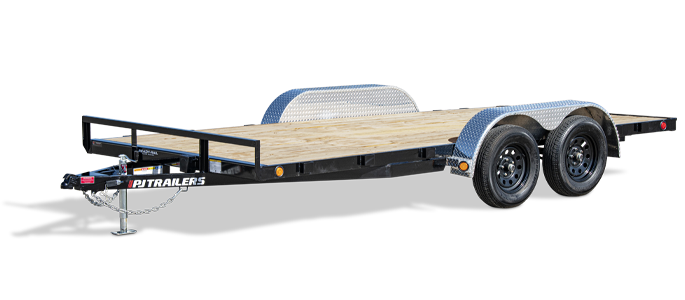
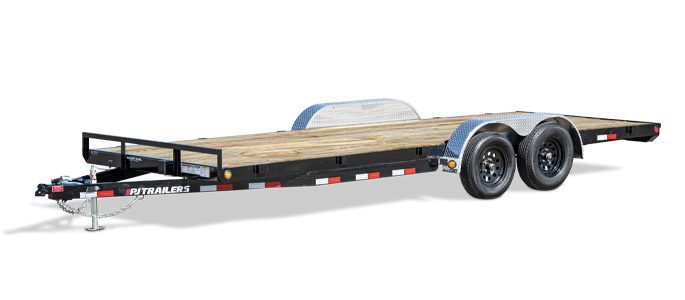
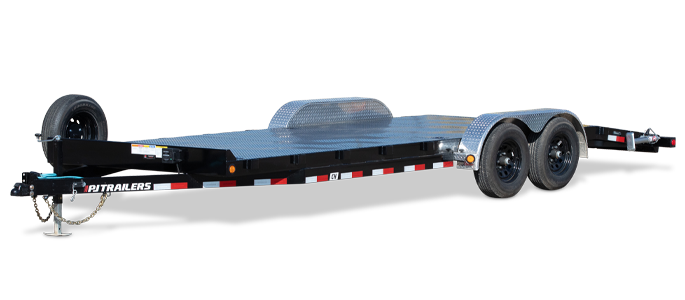
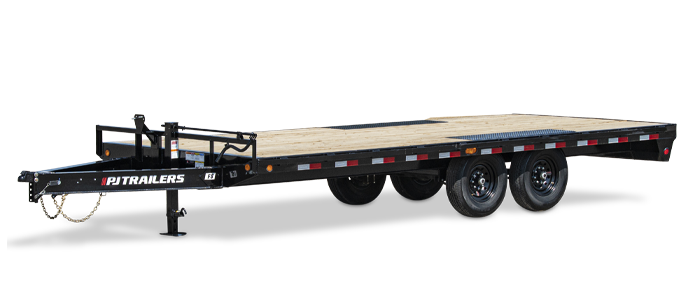
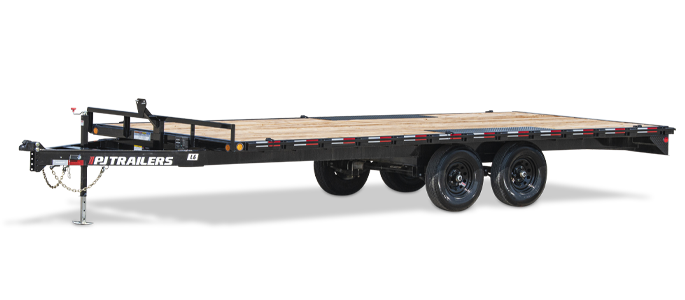
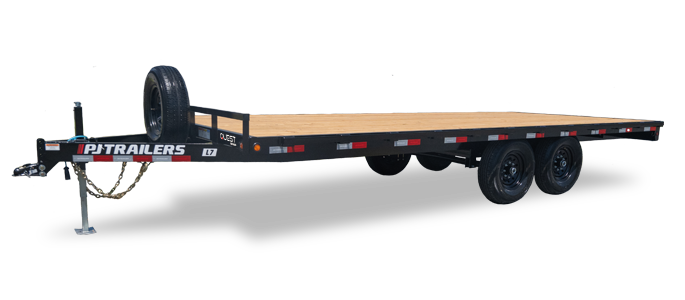
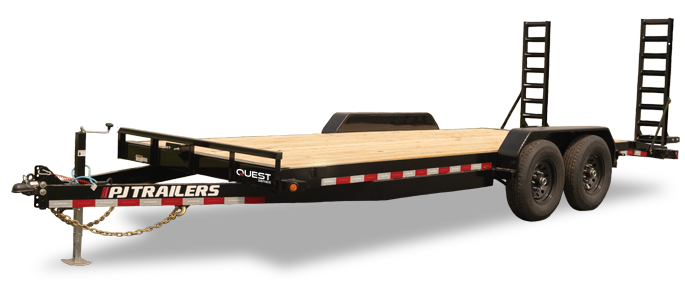
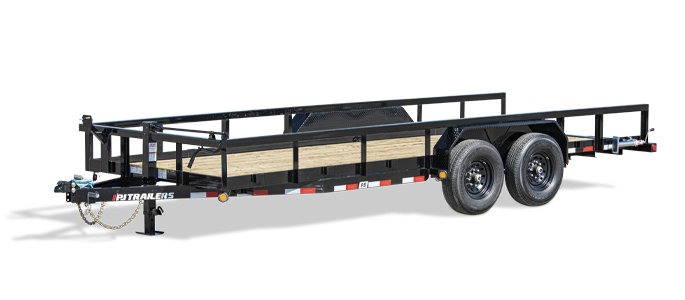
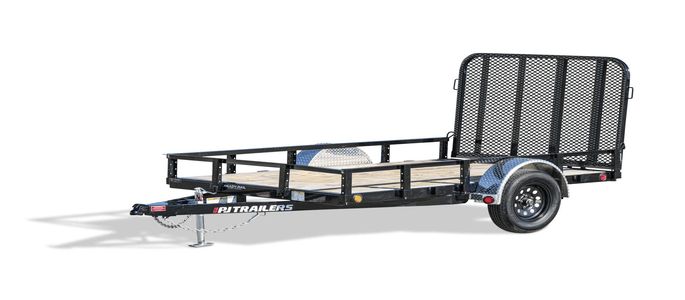
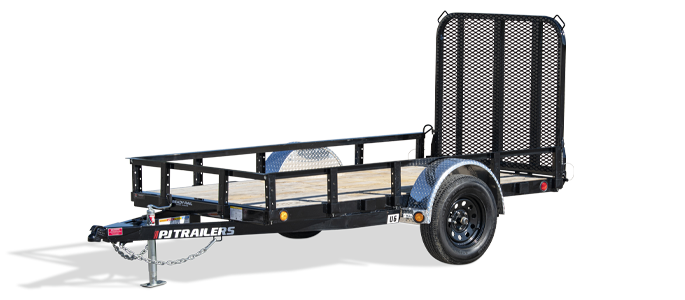
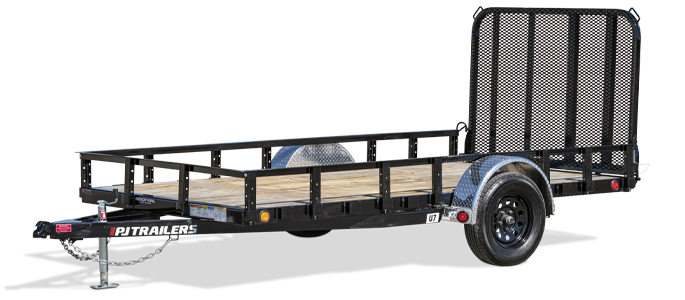
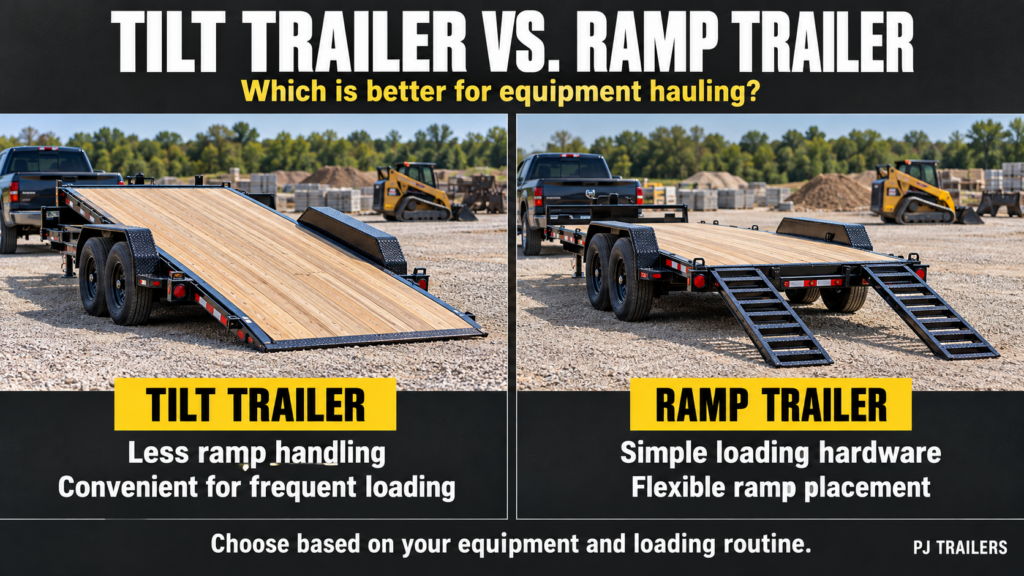
A ramp trailer uses removable, fold-up, or integrated ramps to bridge the distance between the ground and trailer deck. You position the ramps, line up the equipment, load it, then secure or store the ramps before leaving.
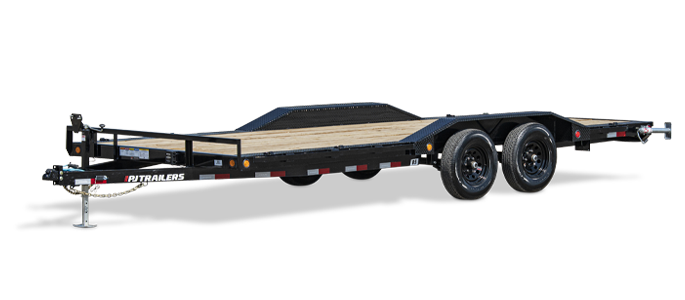
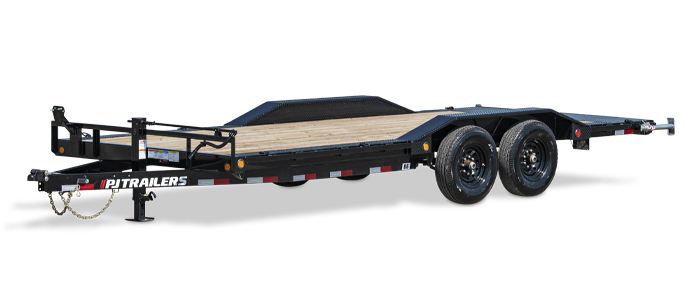
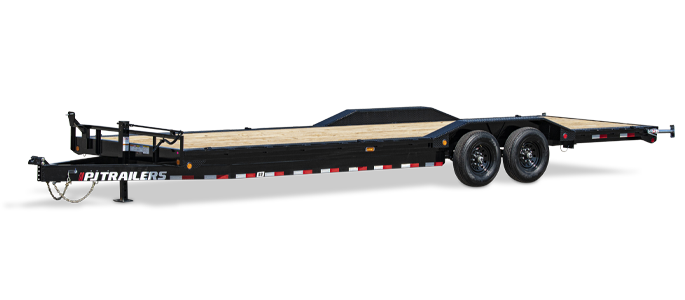
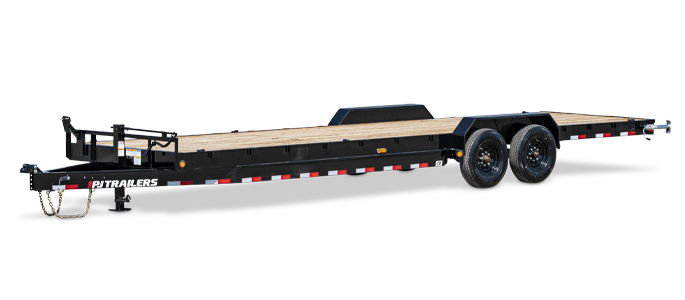
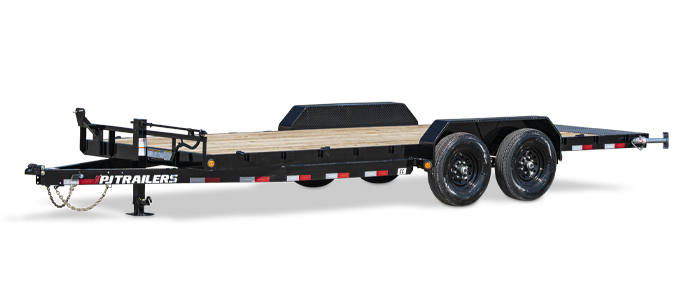
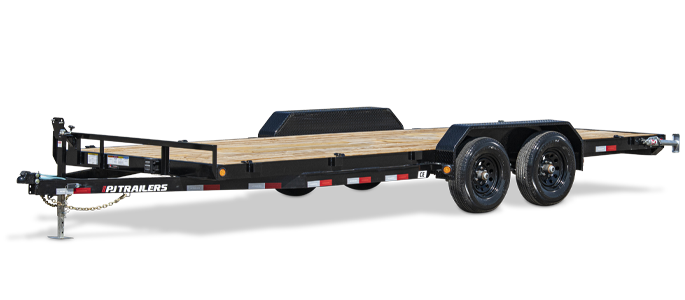
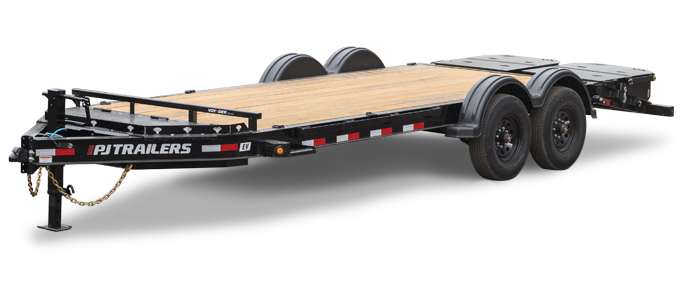
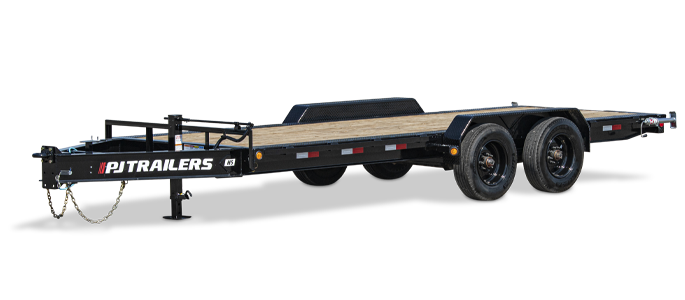
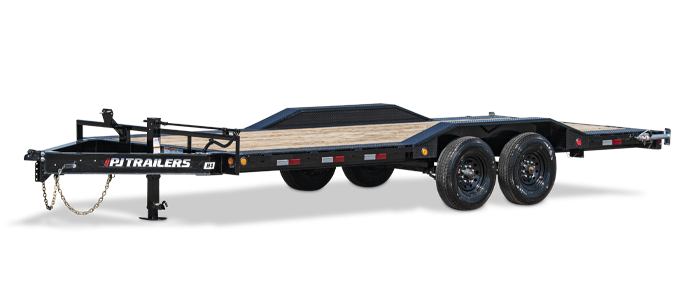
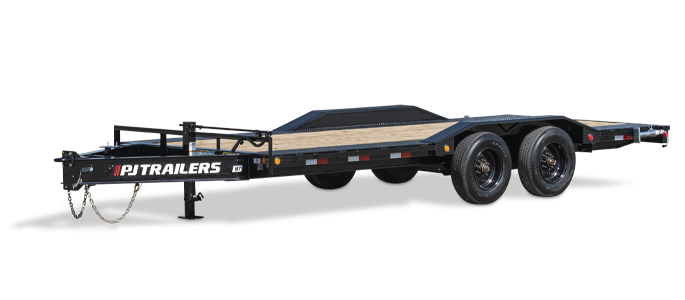
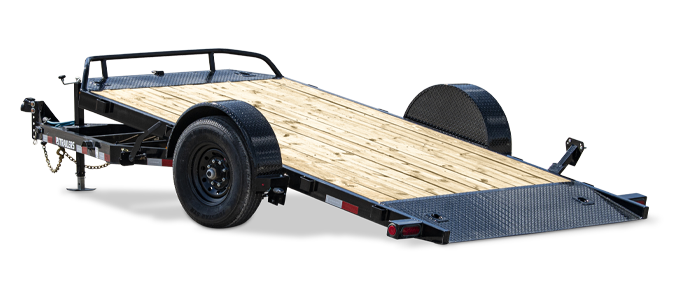
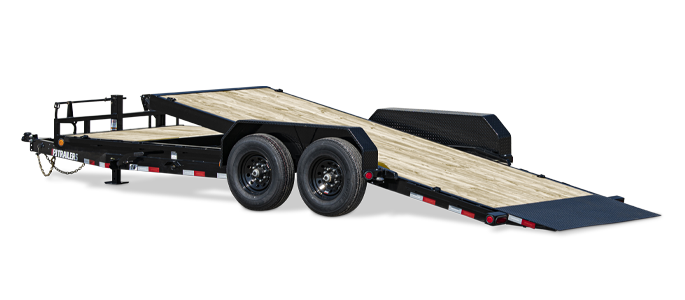
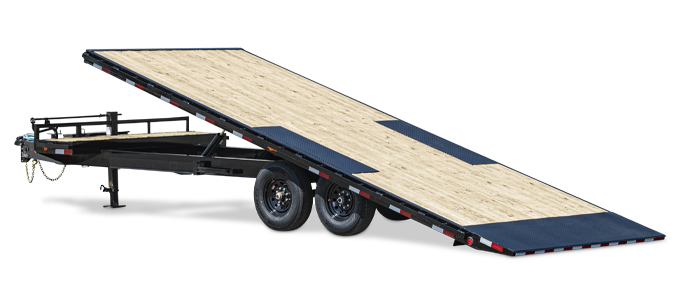
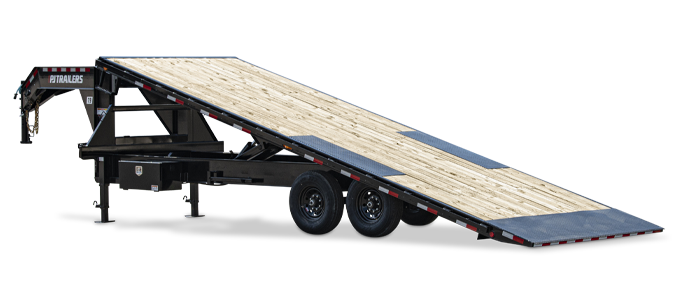
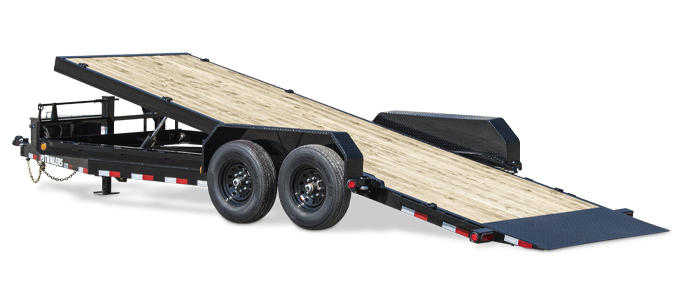
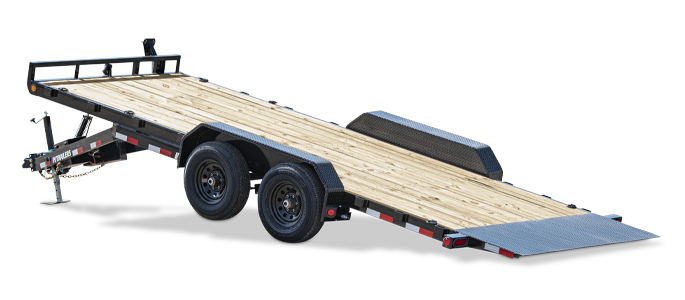
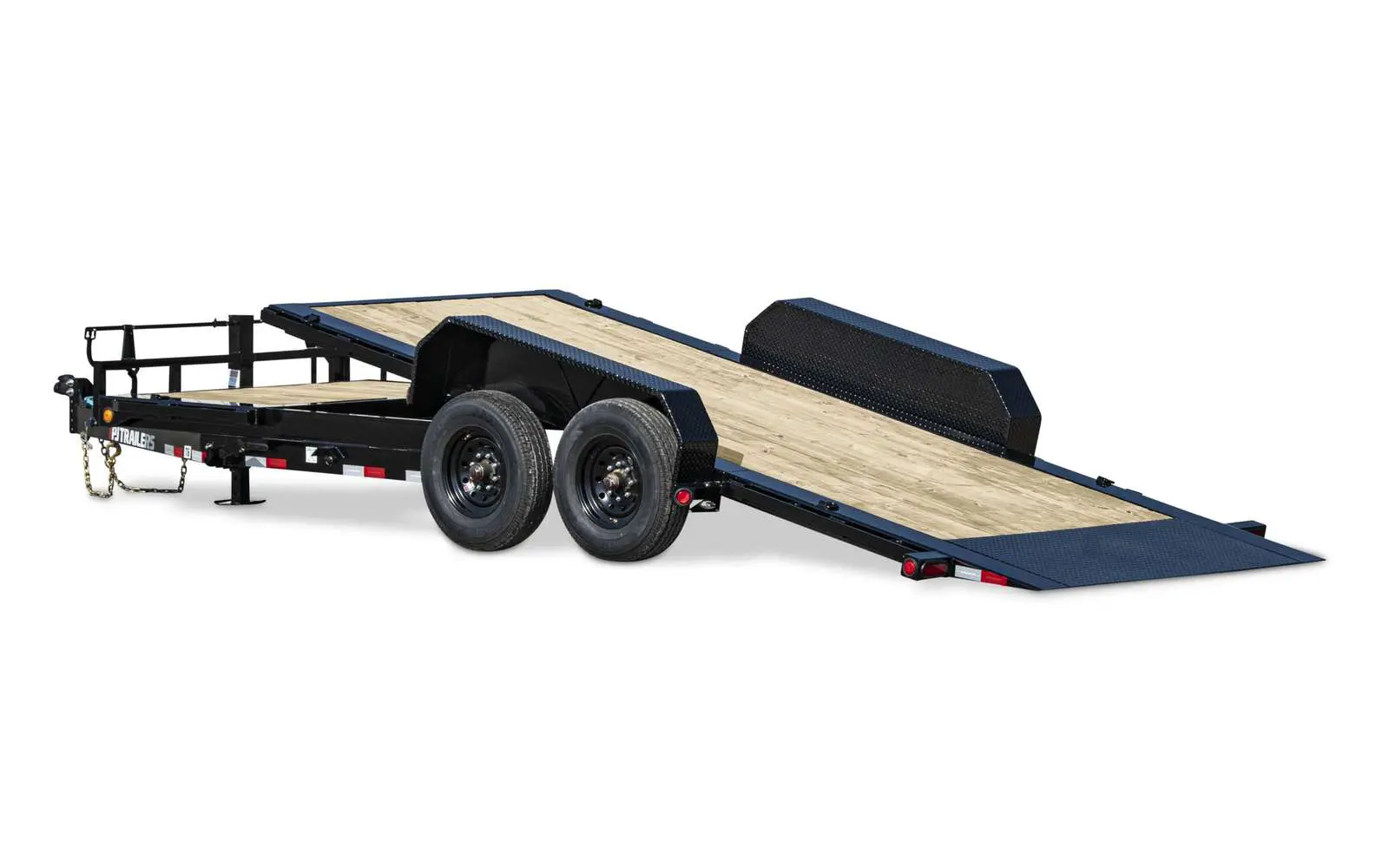
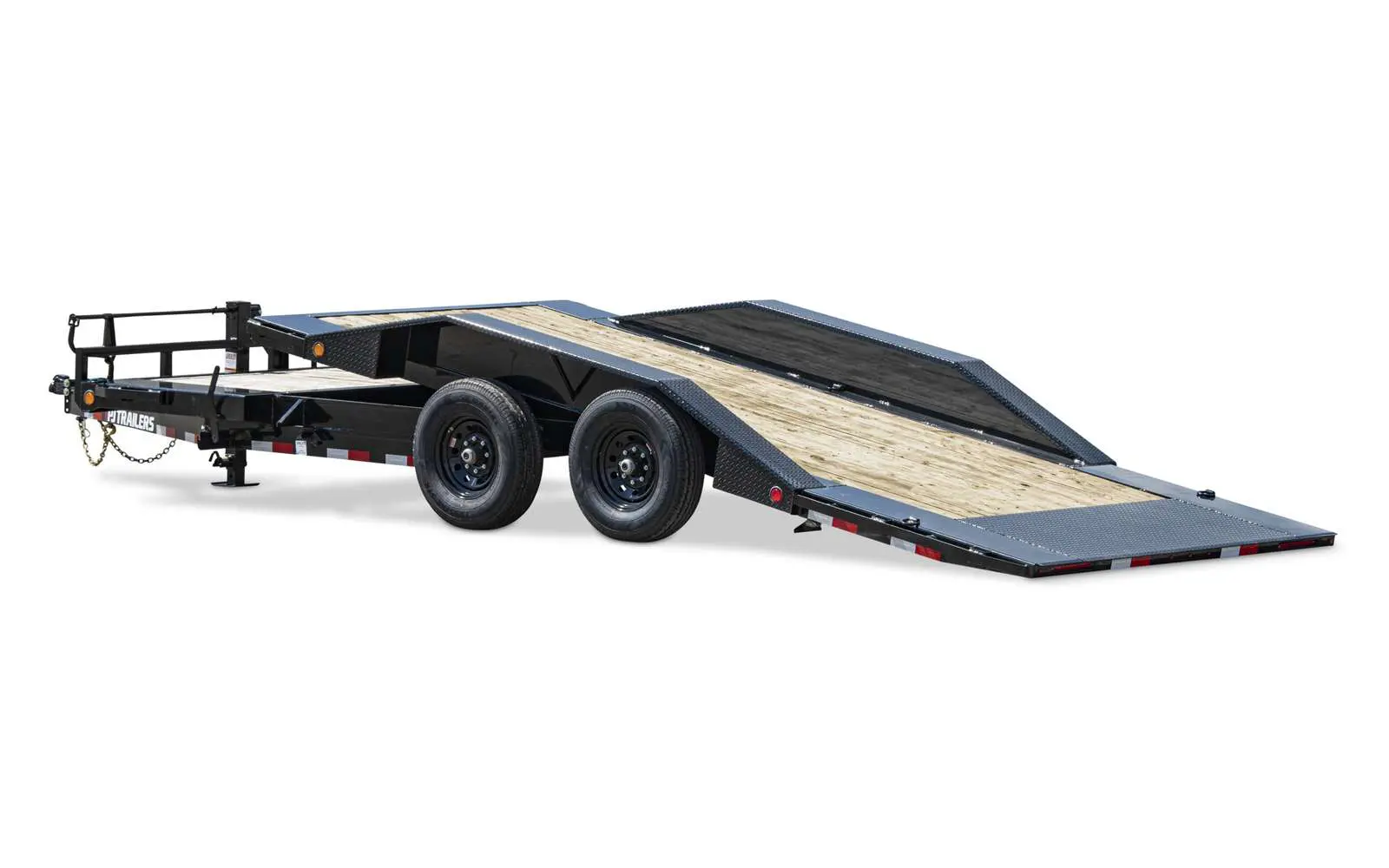
A tilt trailer lets part or all of the deck angle toward the ground. You drive or winch the machine onto the tilted deck, and the deck returns to its transport position.
That sounds like a small difference until you load equipment several times in one day.
Consider a landscaping contractor moving a compact track loader between three properties. With ramps, every stop means getting out, positioning them, checking alignment, loading, and putting them away again. A tilt deck eliminates several of those steps. Over dozens of weekly loading cycles, that can matter more than it would for an operator who loads one machine Monday morning and unloads it Friday afternoon.
Approach Angle Can Decide the Question
One of the strongest arguments for a tilt trailer is the approach angle.
Machines with low ground clearance can bottom out at the point where a steep ramp meets the trailer deck. This is especially relevant for scissor lifts, small rollers, low-clearance vehicles, and certain compact equipment.
A tilt deck can create a more gradual transition because it forms the loading surface. There is no separate ramp-to-deck breakover point.
That does not automatically make tilt better for every machine. Equipment with generous ground clearance may climb a conventional ramp without difficulty. If you regularly haul several different machines, however, think about the lowest-clearance unit in your fleet rather than the one you move most often.
In a tilt trailer vs. ramp trailer comparison, the machine that is hardest to load is often the one that should drive the decision.
Loading Speed Matters When Equipment Moves Daily
For professional operators, loading time is production time.
Someone moving a tractor twice a month may not care about spending several extra minutes setting ramps. A grading contractor moving a skid steer and mini excavator between jobsites can have a different calculation.
Tilt trailers reduce some of the manual setup associated with loading. That can also mean fewer loose components to handle in mud, rain, or uneven ground.
Ramp trailers still have advantages. Multiple ramps can sometimes be repositioned to accommodate equipment with different track widths, and operators who haul unusual combinations of machinery may value that flexibility.
Think in cycles rather than individual loads. If you load 10 times a week, a small efficiency improvement adds up to hundreds of times per year.
Think About Where You Actually Load
Trailer specifications only tell part of the story. The ground under the trailer matters too.
Imagine arriving at a construction site where the only available loading area has a rut behind the trailer. A conventional ramp may sit unevenly or at an undesirable angle. A tilt deck changes the loading geometry, but it also needs enough clear ground behind the trailer to lower properly.
The same issue appears on sloped properties, gravel lots, crowded equipment yards, and roadside jobs.
Professional buyers should ask:
- Is the typical loading surface paved, gravel, dirt, or uneven?
- How much room is usually available behind the trailer?
- Will equipment be loaded in wet or muddy conditions?
- Does the machine have limited ground clearance?
- How many times is it loaded during a typical day?
Those answers provide a much better buying guide than choosing based on deck style alone.
Maintenance and Simplicity
Traditional ramp trailers have a basic advantage: mechanical simplicity.
Ramps themselves have few operating components. Hinges, spring assists, storage systems, and attachment points still require inspection, but the overall loading mechanism is straightforward.
Tilt trailers introduce moving deck components and, depending on the design, hydraulic or dampening systems. Those systems should be maintained as part of the trailer's regular service schedule.
For a commercial operator, this is not necessarily a reason to avoid tilt. It is a question of whether the additional loading efficiency justifies maintaining another system.
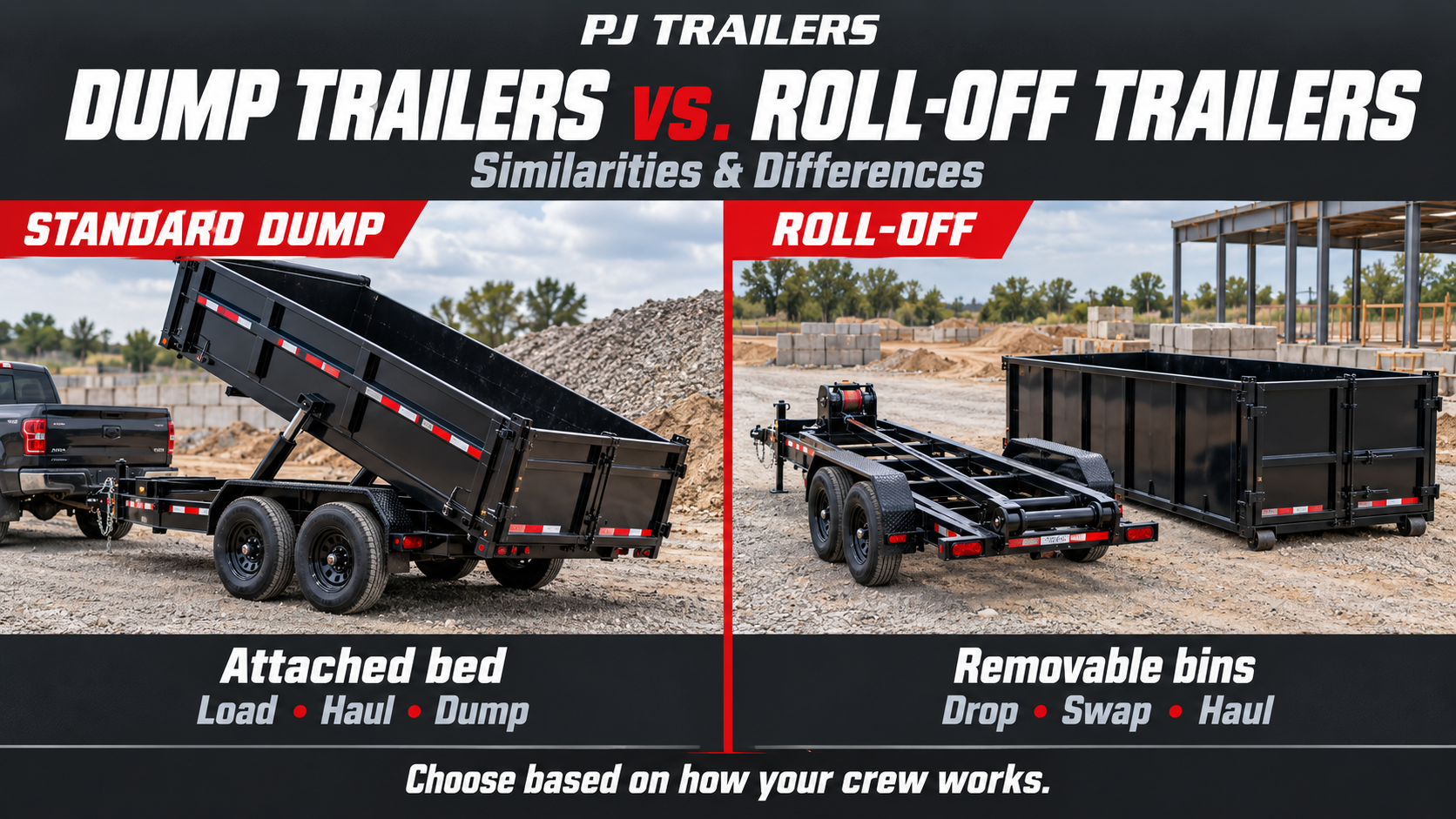
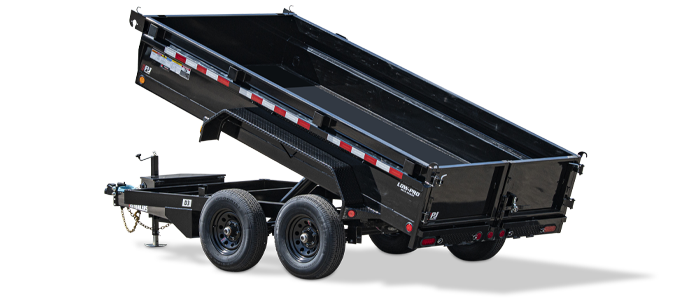
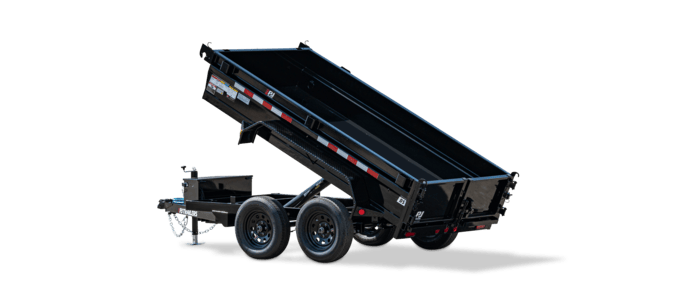
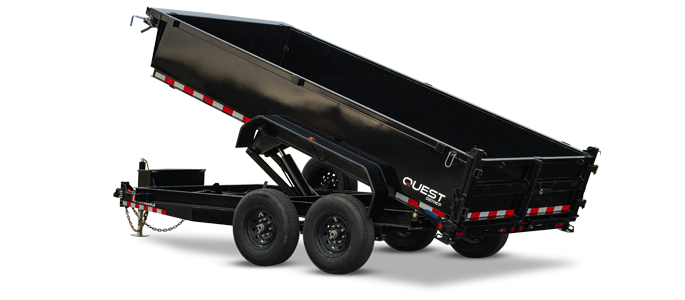
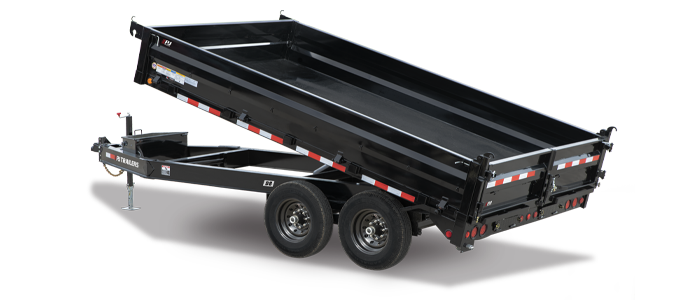
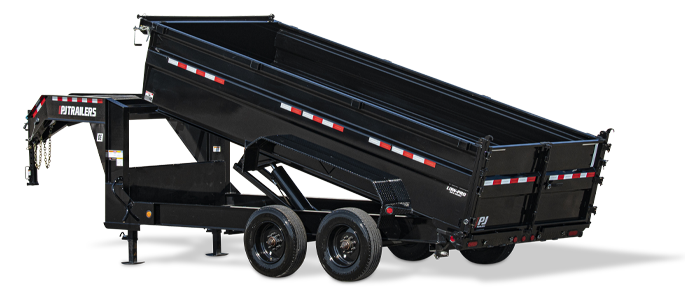
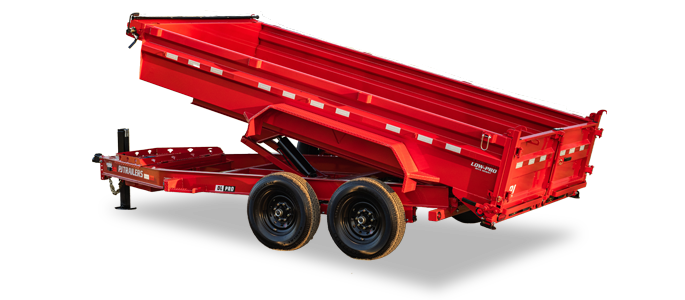
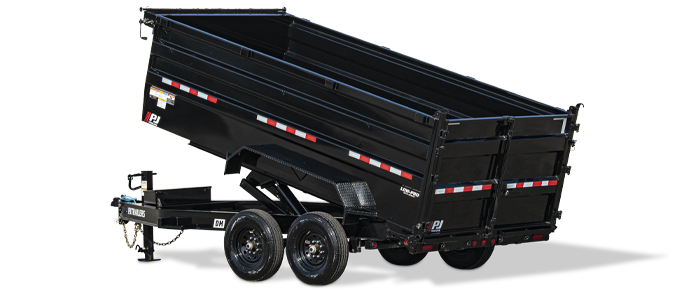
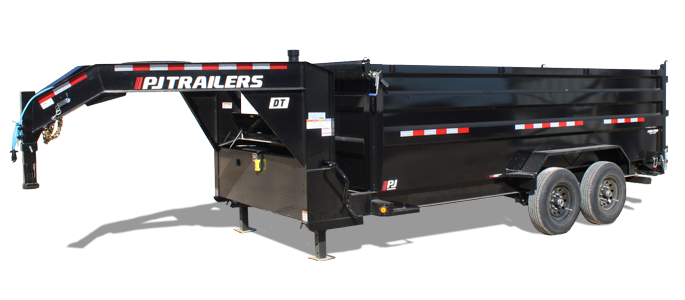
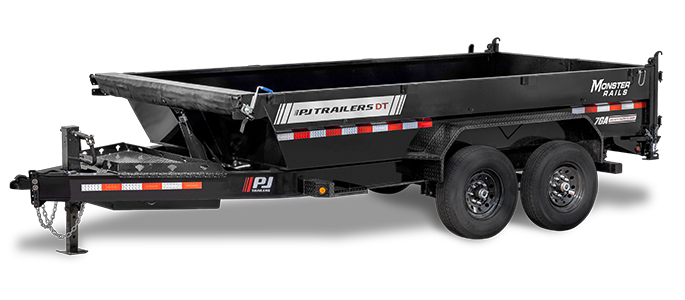
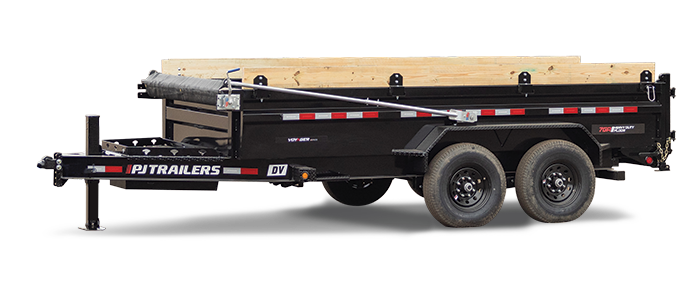
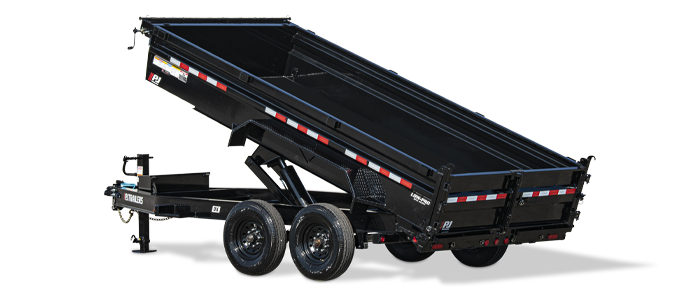
The same tradeoff appears elsewhere in professional hauling. Hydraulic systems add capability to low-profile dump trailers, for example, because the work requires controlled dumping. Equipment should be evaluated by what the added system accomplishes for the operation, not simply by whether it makes the design more complex.
Versatility Can Favor Ramps
A ramp trailer can be a more flexible option when loads change constantly.
One day might involve a compact tractor. The next could mean pallets of material, a zero-turn mower, or equipment that needs to be properly loaded and secured from a slightly different position.
Ramp placement can provide flexibility in those situations, particularly when trailers support multiple functions rather than a single primary machine.
Tilt trailers work particularly well when equipment transport is the primary job and loading speed or approach angle is repeatedly critical.
That distinction is important. A dedicated equipment hauler and a general-purpose contractor trailer may look similar on paper but have very different working requirements.
Consider the Entire Operation, Not Just Purchase Price
Ramp trailers are generally simpler, which can affect the initial cost. Tilt mechanisms add engineering and components that can raise the purchase price.
But professional buyers should look beyond acquisition cost.
Suppose a crew loads and unloads equipment four times every workday. Saving even a few minutes each cycle can add up over hundreds of working days. For another company that keeps a machine on the trailer most of the week, those savings may never justify the added cost.
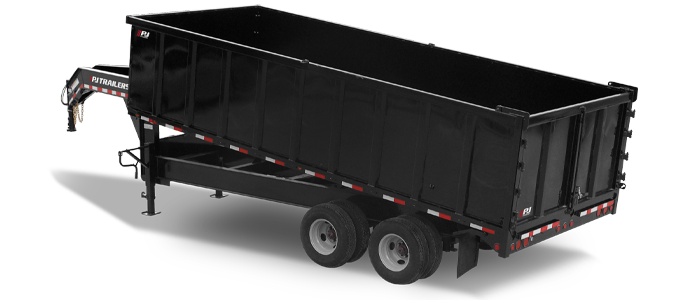
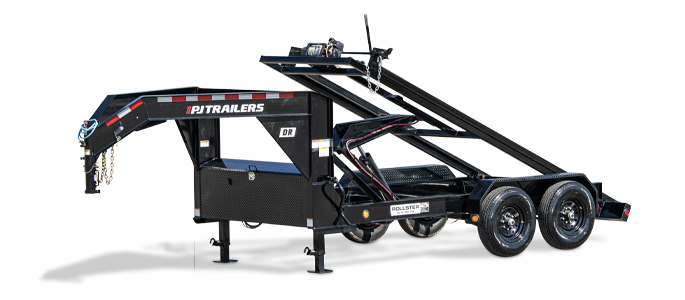
The same logic applies when businesses invest in specialized equipment, such as a roll-off dump trailer. Productivity comes from matching the equipment to the workflow rather than simply choosing the lowest-cost configuration.
Frequently Asked Questions
Is a Tilt Trailer Better for Skid Steers?
It can be, particularly when the skid steer is loaded and unloaded frequently. The lower approach angle and reduced ramp handling can make daily equipment movement more efficient.
Are Ramp Trailers Easier to Maintain?
Generally, ramp systems are mechanically simpler. Tilt trailers have additional moving components that require inspection and maintenance, but those components can provide meaningful loading advantages.
Which Is Better for Low-Clearance Equipment?
Tilt trailers often have an advantage because the tilted deck can provide a smoother approach and reduce the breakover angle between the loading surface and deck.
Are Tilt Trailers Faster to Load?
They can be. Eliminating separate ramp setup and storage reduces the number of steps in the loading process, which becomes increasingly valuable as the number of daily loading cycles increases.
Which Trailer Is More Versatile?
Ramp trailers can offer greater flexibility when hauling a wide range of equipment and materials. Tilt trailers are especially effective when equipment loading is the primary job.
Choose Based on How You Work
There is no universal winner in the tilt trailer vs. ramp trailer comparison.
A contractor moving machinery several times a day may place a high value on faster loading and a lower approach angle. An operator hauling different kinds of cargo may prefer the flexibility and mechanical simplicity of ramps.
The best choice comes from looking at an ordinary workday: what you haul, where you load it, how often the equipment moves, and what costs you time.
PJ Trailers builds professional hauling equipment around those real operating demands. Compare the available configurations based on your workload, not just the specifications on paper, and choose the trailer that keeps your equipment and your business moving.