
Dump Trailers vs. Roll-Off Trailers: Similarities and Differences
Choosing between a standard dump trailer and a roll-off model requires more than comparing size and payload capacity. Both can move heavy materials, reduce manual unloading, and keep demanding jobs moving. However, they support different workflows once you arrive at the jobsite.
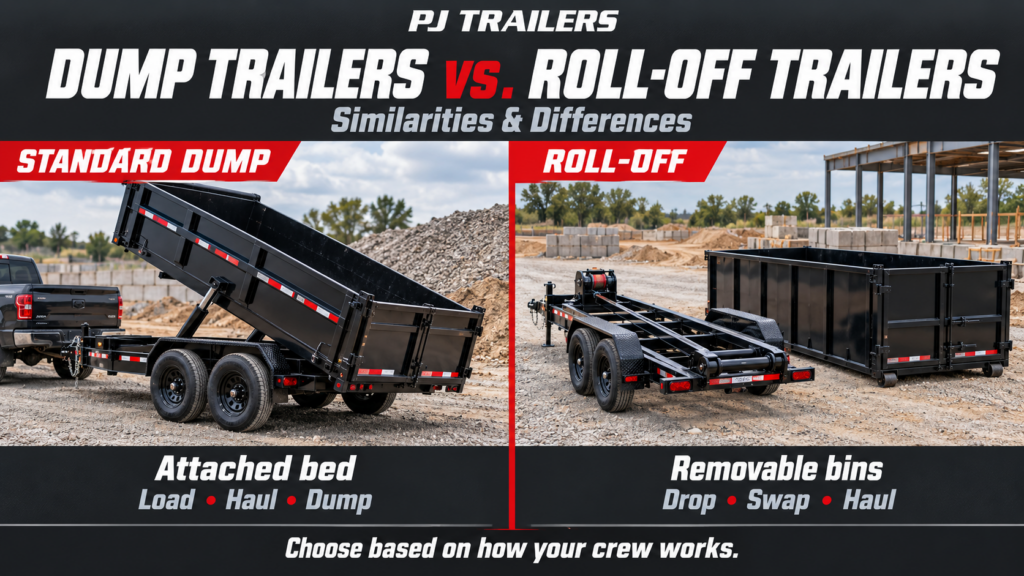
Understanding the difference between dump trailers vs. roll-off trailers helps you choose equipment based on how your crew loads, transports, stores, and unloads material. A standard dump trailer keeps its bed attached to the frame, while a roll-off trailer uses removable containers that can be loaded and unloaded independently. That difference can affect daily productivity, scheduling, and the amount of work one trailer can handle.
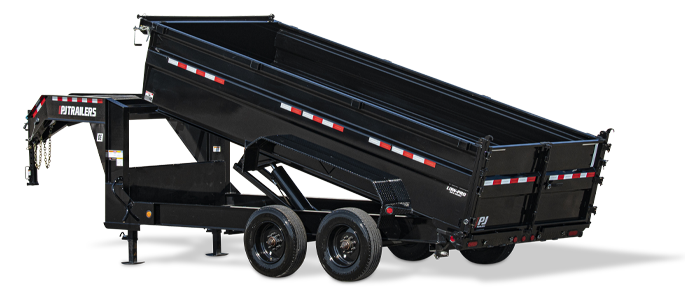
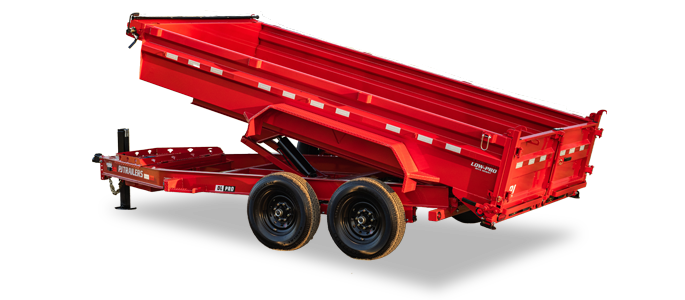
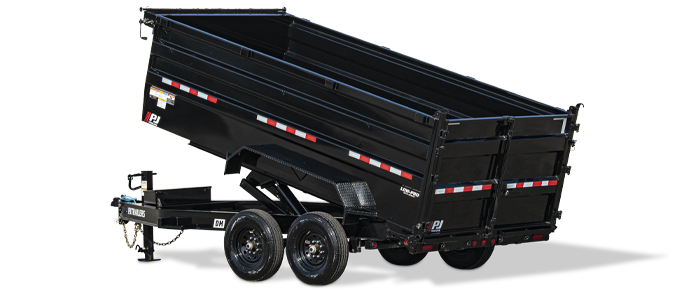
What Is a Standard Dump Trailer?
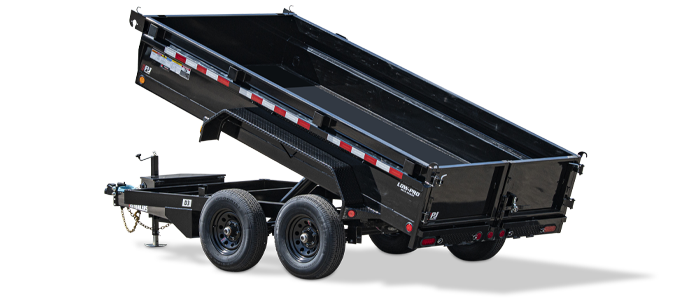
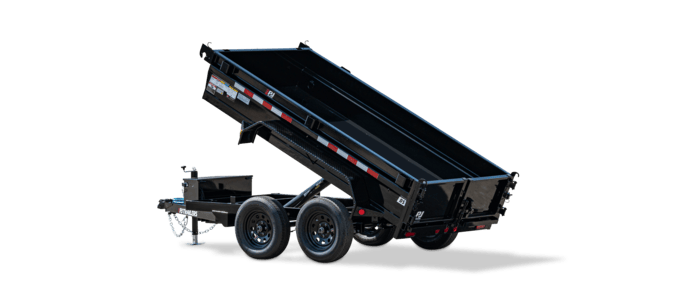
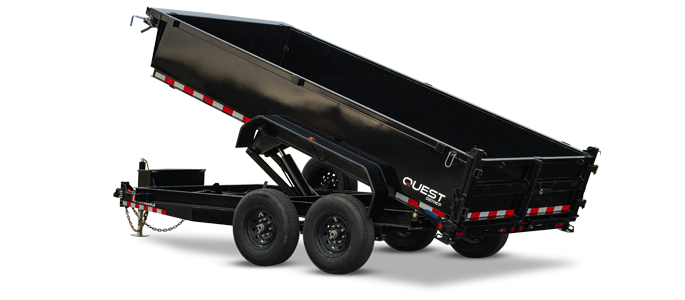
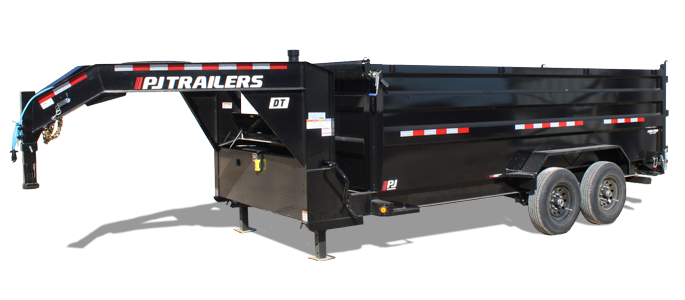
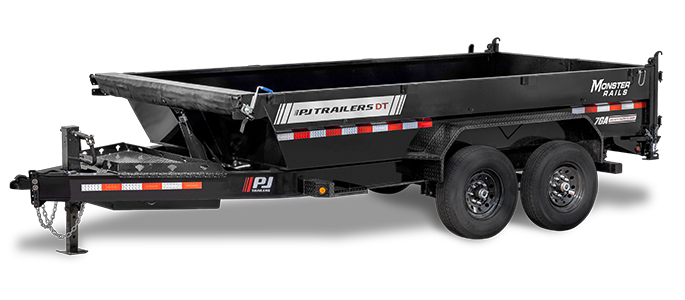
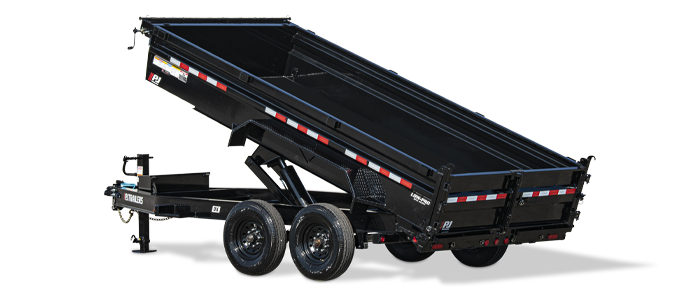
A standard dump trailer has a permanently mounted bed that rises using a hydraulic lifting system. When the operator activates the system, the front of the bed rises, and material exits through the rear gate.
This design works well for contractors who load, transport, and unload material during a single continuous trip. Landscapers may haul mulch to a property, unload it, and return for another load. Construction crews may use the same trailer to remove demolition debris or deliver gravel.
Because the bed stays attached, the trailer must remain wherever the load is located. If a crew needs the trailer for another task, the material must be unloaded first.
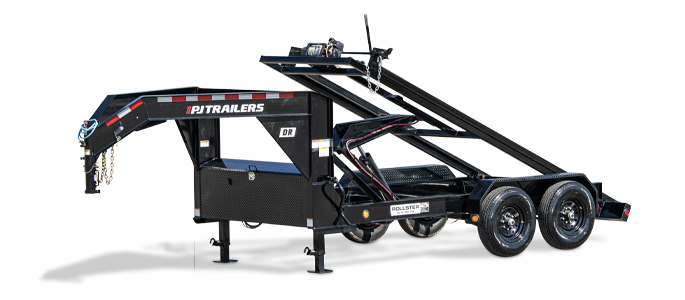
What Is a Roll-Off Trailer?
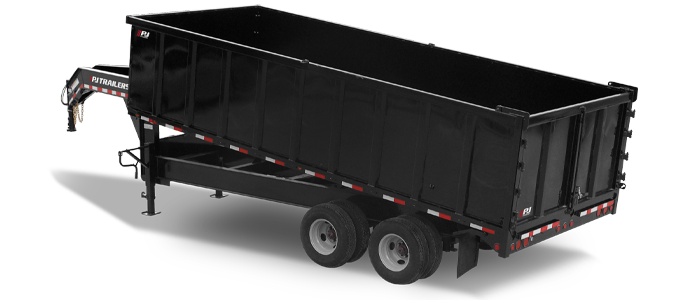
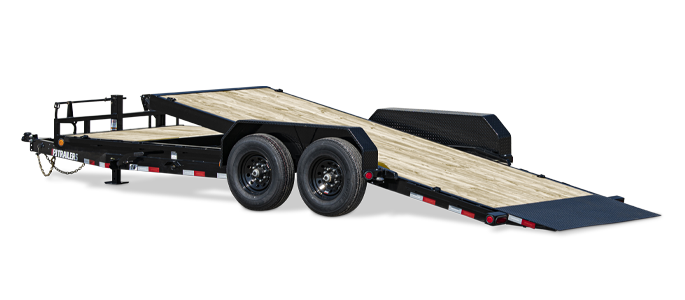
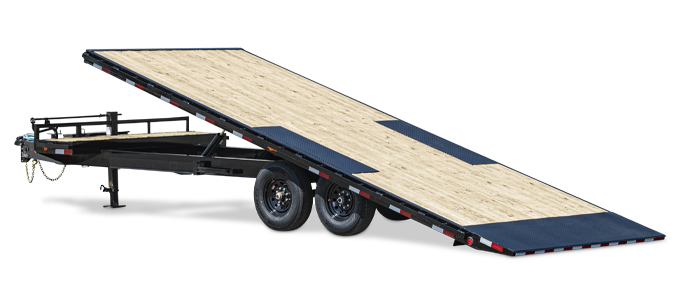
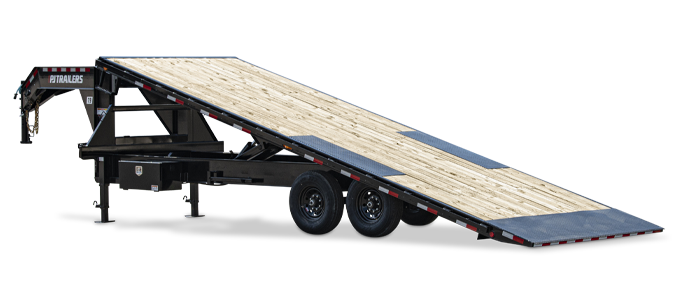
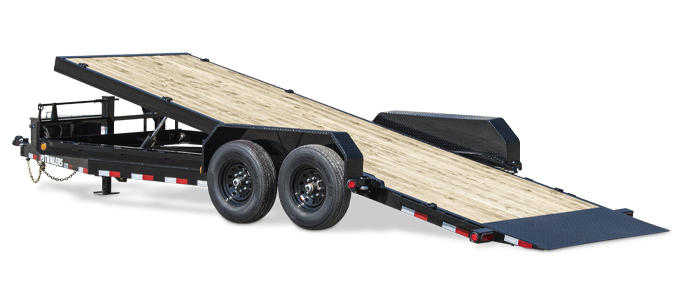
A roll-off trailer uses a hydraulic system to load and unload a removable container. The operator can leave the container at a project and use the trailer to transport another bin.
This makes a roll-off dump trailer particularly useful when debris or material must remain onsite for several hours, days, or weeks. A roofing contractor, for example, can leave a bin near the structure while the crew fills it. The trailer is then free to move another container, pick up a full bin, or support a different project.
For businesses managing several active jobs, removable bins can increase trailer utilization. Instead of leaving an entire trailer parked at a single site the operator leaves only the container.
How Dump Trailers and Roll-Off Trailers Are Similar
Both trailer types are designed to transport bulk material and reduce the labor required for unloading. Common applications include:
- Construction debris
- Roofing material
- Brush and landscaping waste
- Gravel, soil, and sand
- Scrap metal
- Agricultural material
Both designs use hydraulic power and must be matched to the tow vehicle, material weight, and required payload. Buyers should compare Gross Vehicle Weight Ratings (GVWR), empty trailer weight, container or bed weight, and actual payload capacity before selecting a model.
Durable construction also matters in both categories. Repeated loading with compact equipment and hauling abrasive materials can place substantial stress on the floor, frame, crossmembers, gates, and hydraulic components. Professional operators need a trailer designed for daily service, not occasional light-duty use.
The Main Difference Is Workflow
The most important distinction in the dump trailers vs. roll-off trailers comparison is not how the load is dumped. It is what happens before and after transportation.
A standard dump trailer generally follows this process:
- Load the material.
- Transport the load.
- Dump the material.
- Return for the next load.
A roll-off system allows a different process:
- Deliver an empty bin.
- Leave the bin at the site.
- Use the trailer elsewhere.
- Return when the bin is full.
- Transport and unload the container.
This flexibility is valuable for waste removal, demolition, roofing, and property cleanup operations. However, it also requires additional containers, space to store them, and a business model that benefits from leaving bins at multiple locations.
When a Standard Dump Trailer Makes More Sense
A conventional dump trailer is often the better choice when your crew stays with the load from pickup through unloading. It provides a direct system for moving material without managing separate containers.
Standard models can also offer versatility beyond bulk hauling. Depending on the configuration, ramps and tie-down points may allow the trailer to transport compact equipment between jobs. A contractor could haul a skid steer to a site, use the machine to load debris, and then transport that material away.
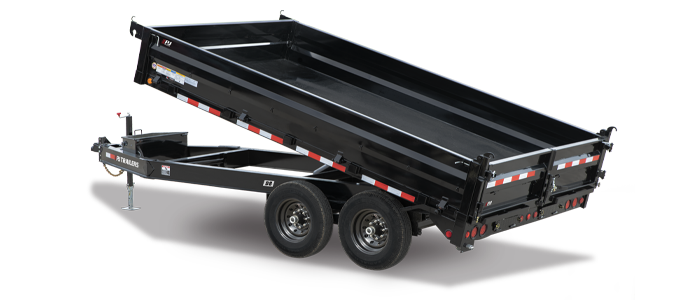
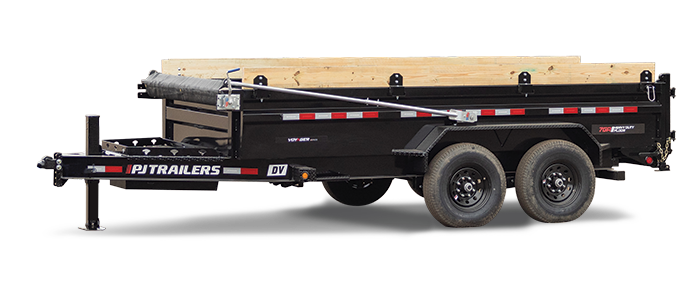
Deck height is another practical consideration. Low- profile dump trailers lower the bed between the wheels, reducing the loading angle and making side loading more manageable. A lower center of gravity may also support greater stability when hauling dense materials.
When a Roll-Off Trailer Makes More Sense
A roll-off system is a strong option when your revenue depends on keeping several containers in service while one trailer moves between them.
Consider a roofing company that is running three projects. With standard trailers, each site may need its own trailer, or crews must coordinate loading and pickup around trailer availability. With removable bins, one trailer can deliver containers to all three sites and retrieve them as they fill.
The benefits become greater as the number of bins and active jobs increases. However, the trailer is only one part of the investment. Buyers should account for container costs, storage space, maintenance, pickup scheduling, and the required tow vehicle for loaded bins.
Compare Capacity Carefully
Two trailers with the same GVWR may not provide the same usable payload. The trailer frame, hydraulic equipment, bed, and removable container all contribute to empty weight.
Before buying, calculate the weight of the material you typically haul. Gravel and soil can reach a trailer's weight limit before the container appears full. Brush and construction debris may fill the available volume while remaining below the maximum payload.
The right comparison should include material density, average load size, tow vehicle limits, and how often the trailer will operate near capacity. Choosing solely based on container dimensions can lead to overloading or purchasing a larger trailer than the operation requires.
Frequently Asked Questions
Are Roll-Off Trailers Better Than Dump Trailers?
Neither design is better for every operation. Standard dump trailers work well for direct hauling and unloading. Roll-off trailers are often better for businesses that need to leave containers at multiple jobs while keeping the trailer available.
Can a Dump Trailer Carry Equipment?
Some dump trailers can transport compact equipment when properly equipped with ramps and rated tie-down points. Always confirm the equipment weight, trailer payload, ramp rating, and securement requirements before loading.
How Many Bins Do I Need for a Roll-Off Trailer?
The answer depends on the number of active jobs and how quickly containers fill. A contractor should compare bin costs against the revenue and scheduling flexibility created by keeping multiple containers in service.
Which Trailer Is Better for Roofing Work?
Roll off trailers can work well for roofing companies because a bin can remain onsite while the trailer handles other pickups and deliveries. A standard dump trailer may be sufficient for crews that load debris and remove it at the end of each workday.
Choose Based on How You Work
The right decision in the dump trailers vs. roll-off trailers comparison comes down to workflow. A standard dump trailer provides a straightforward solution when the trailer stays with the load. A roll-off system creates greater scheduling flexibility when removable containers need to remain at multiple sites.
Big Tex Trailer World helps professional operators compare trailer construction, capacity, configuration, and long-term operating needs. Evaluate what you haul, how long containers remain onsite, and how many jobs your trailer must support before choosing a model. The right setup should keep crews productive, reduce unnecessary handling, and remain dependable through years of demanding work.