
How Many Cubic Yards Can a 7x14 Dump Trailer Hold?
If you're shopping for a dump trailer, one of the first questions you'll probably ask is: “How many cubic yards can a 7x14 dump trailer hold?” It is a simple question, but the answer depends on more than trailer dimensions.
While a 7x14 dump trailer has a measurable volume based on its inside dimensions, the type of material you're hauling, the trailer’s side height, and its payload capacity all affect how much it can realistically carry.
At PJ Trailers, we help customers choose dump trailers based on how they work, not just on published specifications. Understanding both volume and weight helps you select a trailer that performs efficiently while staying within safe operating limits.
The Short Answer
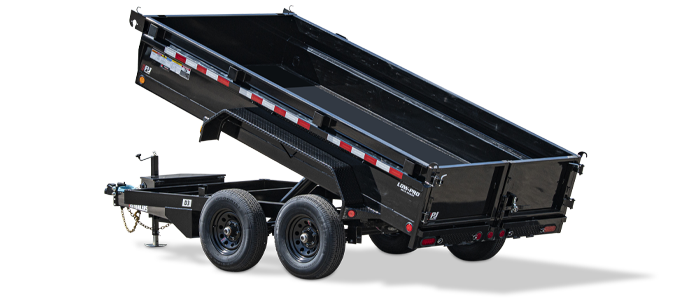
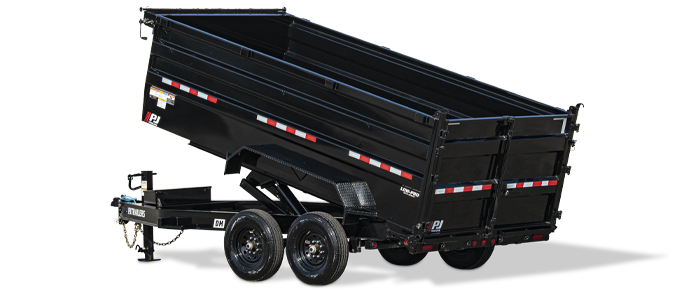
A typical 7-foot-by-14-foot dump trailer with 24-inch sides holds approximately 7.3 cubic yards of material when filled level with the top of the trailer.
Here's the calculation:
- Length: 14 feet
- Width: 7 feet
- Side height: 2 feet
Volume in cubic feet:
14 × 7 × 2 = 196 cubic feet
Convert cubic feet to cubic yards:
196 ÷ 27 = 7.26 cubic yards
Rounded, the answer is approximately 7.3 cubic yards.
If the trailer has taller sides, the volume increases accordingly.
| Side Height | Approximate Capacity |
| 24 inches | 7.3 cubic yards |
| 30 inches | 9.1 cubic yards |
| 36 inches | 10.9 cubic yards |
| 48 inches | 14.5 cubic yards |
This is why the answer to how many cubic yards a 7x14 dump trailer can hold depends on the specific trailer configuration.
Cubic Yards Tell Only Part of the Story
Many buyers focus entirely on cubic yards.
Experienced contractors usually focus on payload first.
A trailer may have enough volume for a material, but not enough payload capacity to safely carry it.
For example:
- Mulch is relatively light.
- Compost weighs more.
- Gravel weighs considerably more.
- Wet soil can weigh dramatically more than dry soil.
You may physically fit 7 cubic yards of gravel into a trailer, but the weight could exceed the trailer's Gross Vehicle Weight Rating (GVWR) long before it’s full.
Understanding both cubic yards and payload capacity helps prevent overloaded trailers, excessive axle wear, and unnecessary stress on brakes and suspension.
How to Calculate Trailer Volume Yourself
If your trailer has different dimensions, calculating volume is straightforward.
Step 1: Calculate cubic feet.
Length × Width × Side Height
Example:
16 × 7 × 2 = 224 cubic feet
Step 2: Convert cubic feet into cubic yards.
224 ÷ 27 = 8.3 cubic yards
The formula is:
(Length × Width × Height) ÷ 27 = Cubic Yards
Remember that all measurements should be in feet.
Material Type Changes Everything
One cubic yard is always the same amount of space. It is not always the same weight.
The bulk density of a material determines how much that volume weighs, which is why a cubic yard of mulch weighs far less than a cubic yard of gravel or wet soil. The U.S. Department of Agriculture (USDA) Natural Resources Conservation Service defines bulk density as a measure of mass per unit volume. This is an important consideration when estimating trailer loads’ bulk density.
Approximate material weights:
| Material | Approximate Weight Per Cubic Yard |
| Mulch | 400 to 800 lbs |
| Wood chips | 500 to 900 lbs |
| Compost | 1,000 to 1,600 lbs |
| Topsoil | 2,000 to 2,700 lbs |
| Sand | 2,500 to 3,000 lbs |
| Gravel | 2,700 to 3,200 lbs |
| Crushed concrete | 3,000 lbs or more |
This is why asking how many cubic yards a 7x14 dump trailer can hold should always be followed by another question:
“What material am I hauling?”
The answer determines whether your limiting factor is trailer volume or trailer weight.
Choosing the Right Dump Trailer
Contractors often outgrow their first dump trailer because they purchase only for today's workload.
Instead, think about:
- The materials you haul most often
- Average haul distance
- Frequency of use
- Future business growth
- Attachment and equipment needs
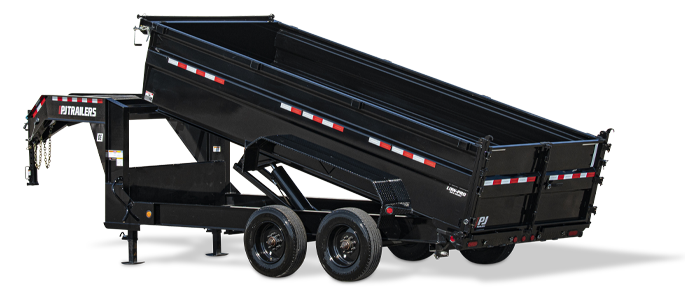
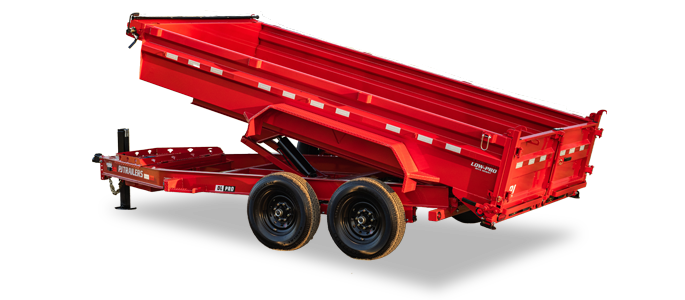
For operators hauling dense materials regularly, low-profile dump trailers offer excellent stability and loading convenience while providing the strength needed for demanding applications.
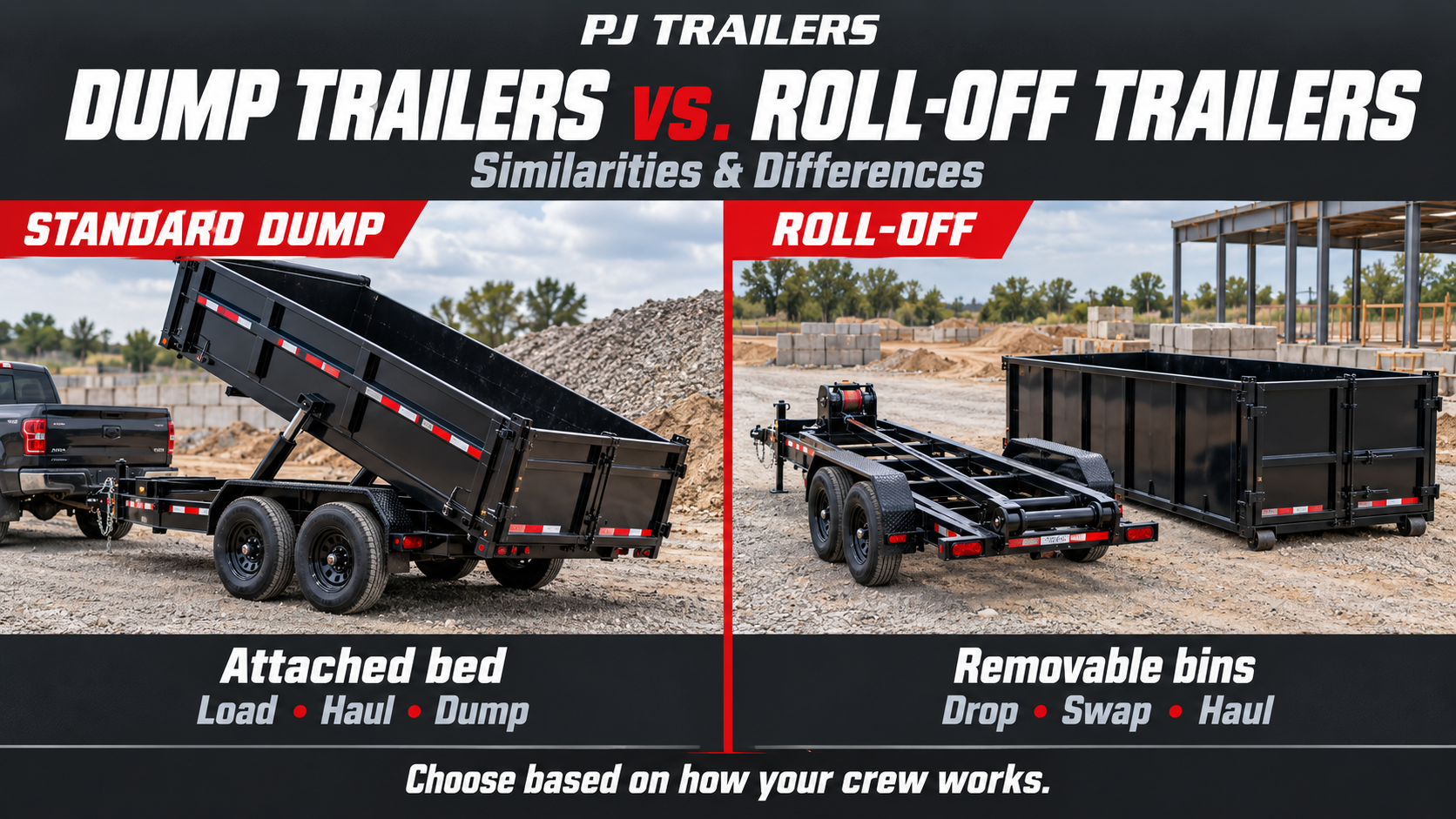
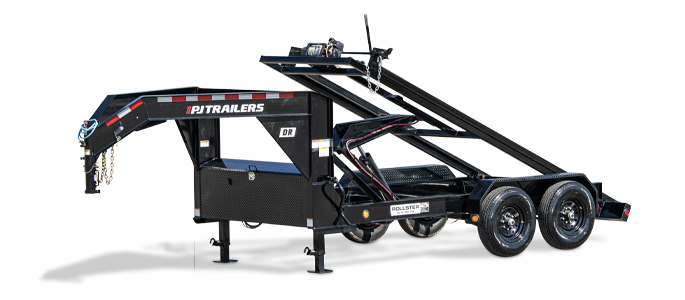
For businesses handling multiple containers or changing jobsite needs, a roll-off dump trailer offers flexibility that conventional dump trailers cannot match.
Common Mistakes Buyers Make
Assuming Bigger Volume Means Bigger Capacity
Not always.
Higher trailer sides increase volume, but they do not automatically increase GVWR.
Ignoring Wet Material
Rain can significantly increase material weight.
A load of wet soil or mulch may weigh hundreds or even thousands of pounds more than expected.
Filling to the Top Every Time
Professional operators understand that the trailer does not always need to be completely full.
Many dense materials exceed the trailer's weight rating before reaching its volume capacity.
Forgetting Future Needs
Today's landscaping business may become tomorrow's excavation company.
Buying slightly more trailer space than you currently need often provides better long-term value.
Frequently Asked Questions
How Many Cubic Yards Can A 7x14 Dump Trailer Hold?
A typical 7x14 dump trailer with 24-inch sides holds approximately 7.3 cubic yards when loaded level with the top.
Does Side Height Affect Capacity?
Yes. Taller trailer sides significantly increase cubic yard capacity.
Can I Fill the Trailer Completely With Gravel?
Not necessarily. Gravel is heavy enough that most trailers reach their GVWR before reaching full volume.
Is Cubic Yard Capacity More Important Than GVWR?
Both matter, but GVWR determines how much weight the trailer can safely carry. Volume simply tells you how much space is available.
Should I Buy A Larger Dump Trailer?
If your workload is growing or you regularly haul multiple material types, purchasing a trailer with additional capacity often provides better long-term value.
Choose A Trailer That Matches the Way You Work
Understanding how many cubic yards a 7x14 dump trailer can hold is an important starting point, but it is only part of the buying decision.
The best dump trailer balances volume, payload capacity, durability, and the type of material you haul most often. When those factors work together, you spend less time making extra trips and more time getting work done.
At PJ Trailers, our dump trailers are built for contractors who depend on reliable equipment every day. Choosing the right trailer today helps keep your operation productive for years to come.